
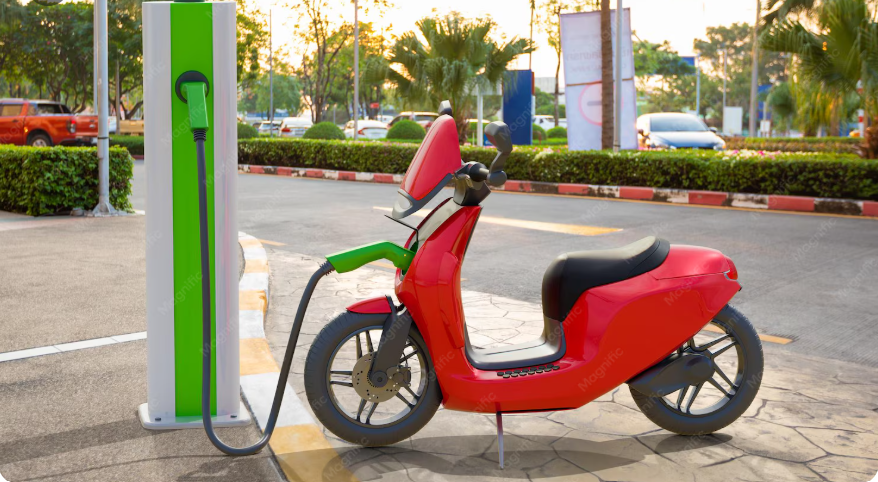
Electric two-wheelers are rapidly changing the landscape of urban commuting across metropolitan India. To identify these zero-emission vehicles easily, the Indian government mandates a distinct green registration plate. For smart buyers, utilizing the green number plate electric scooter benefits is key to maximizing both on-road utility and financial savings. Whether you are exploring a cheap electric bike for daily errands or a premium commuter model, the green plate system delivers tangible advantages across every budget segment.
Financial Exemptions and Operational Cost Reductions
Complete Road Tax and Registration Fee Waivers
Securing a green registration plate signals to the regional transport office that your electric scooter complies with the zero-emission mandate. In practice, this green badge unlocks complete exemptions from road taxes that traditional petrol-powered two-wheelers must pay during registration. This legal exemption directly reduces the upfront on-road price of high-performance electric scooters in several major states.
To secure these savings, owners must follow a specific registration process at their local transport office:
- Purchase a fully battery-powered electric vehicle from an authorized showroom like Ekotejas to ensure compliance.
- Submit the official sales certificate along with valid manufacturing documents to the Regional Transport Office.
- Verify that the motor power and battery parameters are cleared under the Central Motor Vehicles Rules.
- Pay the subsidized green plate fees which are significantly lower than standard registration costs.
- Install the high-security registration plate on the designated front and rear brackets of your electric scooter.
State-by-State Incentives and Subsidies Comparison
The fiscal advantages associated with green license plates are highly dependent on individual state electric vehicle policies. Many state governments actively offer direct subsidies that are directly mapped to the vehicle registration database. Understanding these regional differences helps buyers calculate their exact return on investment before making a purchase. Visiting a trusted electric bike showroom in your city is one of the most reliable ways to get accurate, state-specific subsidy information tailored to your chosen model.
State Name | Road Tax Waiver | Registration Fee Waiver | Additional EV Perks |
Maharashtra | 100 percent waived | Fully exempted for private EVs | Priority charging access |
Delhi | 100 percent waived | No registration fees applicable | Congestion zone fee exemption |
Karnataka | 100 percent waived | Zero registration charges | Dedicated public parking space |
Uttar Pradesh | 100 percent waived | Fully waived for first three years | Toll discount on state highways |
Traffic Rules and Urban Mobility Privileges
Immunity from Odd-Even Schemes and Congestion Zones
The bold green background serves as an immediate visual passport for traffic authorities monitoring heavily congested urban roadways. During active air pollution control measures, such as the odd-even traffic rationing schemes, electric vehicles are granted unconditional exemption from travel bans. This constant mobility ensures that daily commuters experience zero disruption while traveling through highly regulated low-emission zones.
Several distinct benefits of this instant identification include:
- Unrestricted movement during times of emergency traffic bans and peak-hour congestion rules.
- Zero requirement to carry localized temporary travel permits on metropolitan roads.
- Immediate clearance at security and environmental checkpoints without manual document verification.
- Reduced likelihood of accidental traffic stops by on-duty traffic officers.
Free and Reserved Parking Zones in Public Spaces
Metropolitan municipalities are actively dedicating premium parking bays exclusively to vehicles sporting these green license plates. In many shopping centers, commercial hubs, and public transit stations, these parking areas are strategically located near the main entrances. Furthermore, these designated bays are increasingly equipped with fast-charging infrastructure to allow simultaneous charging while parked. The growing availability of electric bike rental services at these very charging hubs is also making green-plated mobility more accessible to occasional riders who prefer not to own a vehicle outright.
Highway Toll Benefits and Administrative Simplification
Toll Fee Waivers and Concessions for Electric Two-Wheelers
While highway tolls generally apply to larger passenger vehicles, emerging state highway regulations are introducing special concessions for all green-plated vehicles. These systemic discounts are verified automatically at smart toll plazas by scanning the digital registration tag associated with the green plate. This automated framework reduces transaction time and provides measurable savings on regional intercity routes. Riders who use an electric dirt bike for mixed terrain travel between cities and rural areas stand to benefit particularly from these expanding toll concession programs.
A direct comparison highlights the clear operational and regulatory differences between traditional and green-plated scooters:
Comparison Factor | Standard Petrol Scooter | Green Plate Electric Scooter |
Fuel/Power Cost | Significantly high daily operating and fuel replenishment expense | Extremely low charging and electricity replenishment cost |
Road Tax Rate | Full tax rate applied based on engine capacity | One hundred percent road tax exemption in most states |
PUC Certification | Mandatory renewal required every six months by law | Permanently exempted from emissions testing and certification |
RTO Plate Type | Standard white background plate with black fonts | Distinct green background plate with white fonts |
Parking Rights | No specialized or reserved municipal parking zones | Reserved parking bays located near public building entryways |
Enhanced Resale Value and Brand Prestige
Higher Residual Value in the Pre-Owned EV Market
The presence of a legal green plate indicates a fully registered, road-compliant electric scooter that was manufactured under formal automotive guidelines. This official status helps separate high-quality electric scooters from cheap, un-registered low-speed imports that do not require licensing. Consequently, pre-owned buyers are willing to pay a premium for verified green-plated models due to their certified safety standards. For more information, explore the electric dirt bike.
- Higher vehicle valuation in certified pre-owned exchange programs because of legal certification.
- Easier verification of vehicle history and ownership transfers during private resale transactions.
- Seamless transition of comprehensive insurance policies and active warranties to the subsequent buyer.
- Proven compliance with national transport regulations under the central motor vehicles act.
- Increased confidence for financial institutions when processing secondary loans for used vehicles.
Visual Eco-Consciousness and Brand Alignment
Displaying a green number plate is a clear public statement of your personal commitment to a sustainable environmental future. Riders enjoy an elevated social status as forward-thinking early adopters of advanced clean mobility solutions. Choosing a high-performance scooter from reputable brands like Ekotejas ensures that your green credentials are backed by reliable engineering. For those who prefer a lighter, pedal-assisted option, pairing your commute with a certified electric bike cycle is another excellent way to extend your eco-friendly mobility choices beyond the scooter segment.
A green number plate indicates that the vehicle is a registered zero-emission electric vehicle, featuring white lettering for private owners and yellow lettering for commercial operators.
No, hybrid vehicles do not qualify for green number plates because they rely partially on traditional internal combustion engines and do not achieve absolute zero-emission status.
No extra fees are charged for the green color scheme, and electric scooter buyers often receive full exemptions from standard road taxes and registration fees.
Teenagers aged sixteen to eighteen can legally ride gearless electric scooters with a motor capacity limit, provided they obtain the necessary learner license from the local transport authority.