
Electric Bike Cycle: How Smart Engineering and Battery Innovations Define India's 2026 E-Bike Market
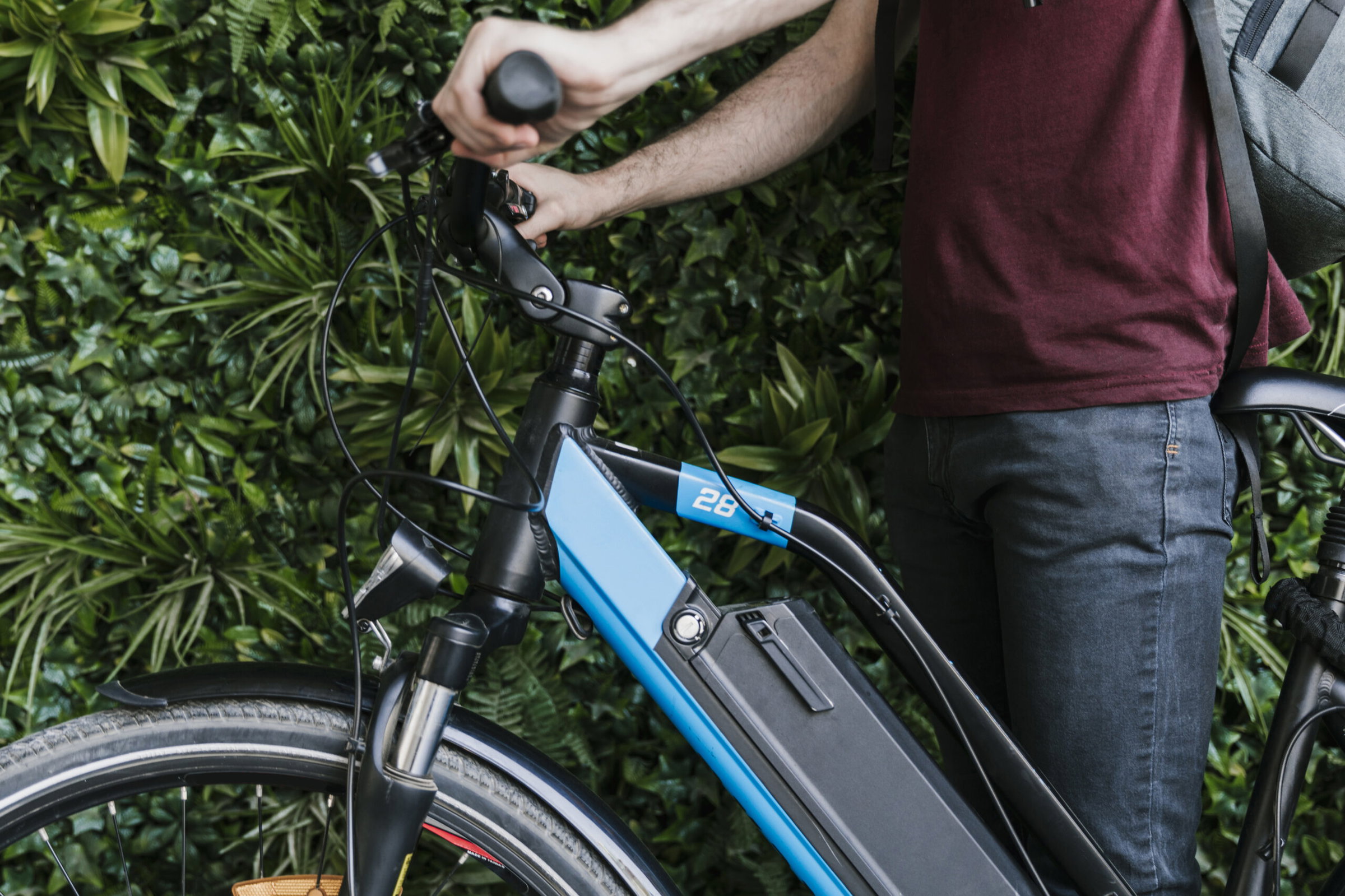
Choosing the perfect electric bike cycle requires balancing battery range, frame durability, and real-world motor performance. At Ekotejas, we design state-of-the-art electric mobility options that transform your daily commute into an eco-friendly journey. Explore our engineering standards, design principles, and comprehensive buyer comparison points to find the ideal model for your lifestyle.
Crucial Technical Parameters of Modern E-Bikes
Deciphering Battery Chemistries and Real-World Ranges
In practice, most standard electric cycles rely on high-capacity lithium-ion or robust lithium iron phosphate battery packs to maintain energy density. These modern powerhouses deliver realistic ranges between sixty and eighty kilometers on a single charge when paired with intelligent battery management systems. Real-world riders consistently find that monitoring discharge cycles and charging patterns preserves overall cell longevity across varied weather conditions.
- Cell Chemistry: Premium NMC or LFP options deliver the best cycle life.
- Protection Systems: Integrated thermal management shields cells from Indian summer heat.
- Charging Speeds: Fast chargers replenish eighty percent capacity in under three hours.
- Voltage Platforms: Systems utilizing 36V or 48V standards ensure efficient energy distribution.
- Capacity Rating: Packs offering ten ampere-hours or more guarantee extensive single-charge commuting.
Analyzing Motor Dynamics and Pedal Assist Tech
Modern two-wheelers leverage efficient brushless direct current hub motors to optimize power transmission without compromising safety or regulatory compliance. Sophisticated torque sensors continuously monitor rider effort to smoothly deploy pedal assistance exactly when navigating steep inclines or heavy headwinds. This symbiotic relationship between human power and electric propulsion guarantees an incredibly fluid riding experience across diverse urban terrains.
Performance Feature | Ekotejas Premium E-Cycle | Standard Electric Cycles |
Motor Type | High-torque 250W BLDC Hub Motor | Basic 250W Hub Motor |
Battery Management System | Smart BMS with Thermal Cutoff | Standard Passive BMS |
Frame Material | Aerospace Grade Aluminum Alloy | Heavy Carbon Steel Frame |
Pedal Assist Modes | Five-level Intelligent Sensor System | Basic Three-level Assist |
Braking System | Dual Mechanical Disc Brakes | Front Disc and Rear Drum Brakes |
Financial and Operational Analysis of E-Cycles
Calculating Your Real Return on Investment
Transitioning from a conventional petrol vehicle to an electric dirt bike or standard e-cycle dramatically slashes your daily commuting expenses. Field use commonly shows that fuel expenditures shrink to less than fifteen paise per kilometer when charging with domestic electricity. This dramatic cost reduction means most daily commuters fully recoup their initial purchasing investment within twelve short months.
Cost Metric | Petrol Scooter (110cc) | Ekotejas E-Cycle |
Energy/Fuel Cost per 100km | 250 Rupees | 15 Rupees |
Annual Scheduled Maintenance | 5000 Rupees | 1200 Rupees |
Registration & Insurance | Required (Recurring Cost) | Not Required (Zero Cost) |
Estimated Yearly Running Total | 30000 Rupees | 3200 Rupees |
Low-Speed versus High-Speed Regulatory Distinctions
Navigating the legal framework requires understanding that low-speed electric cycles do not require driver licenses or regional transport office registration. These exempt models must operate under a twenty-five kilometer per hour speed limit and utilize motors rated below two hundred fifty watts. Choosing these compliant vehicles simplifies ownership while providing highly accessible urban mobility for users of all age groups.
- Confirm local regulatory exemptions regarding driver license needs for low-speed models.
- Assess daily route topography to select adequate motor torque ratings.
- Measure precise vertical clearances for secure indoor storage and charging.
- Test-ride potential models to verify natural hand ergonomics and reach.
- Evaluate localized after-sales support networks for seamless warranty assistance.
Essential Maintenance Protocols for Battery Longevity
Best Practices for Charging and Storage
Securing optimal battery performance dictates that riders charge their packs in shaded, well-ventilated areas away from direct tropical sunlight. Experts advise keeping the overall charge level between twenty and eighty percent for long-term storage periods. Avoiding complete discharge cycles prevents deep cell degradation and maintains high peak output capabilities throughout the year.
- Avoid Hot Charging: Allow the battery pack to cool down before plugging it into the charger.
- Use Certified Chargers: Always operate proprietary brand power adapters to prevent voltage fluctuations.
- Prevent Deep Discharges: Do not leave the battery at zero percent charge for multiple days.
- Secure Storage: Keep the battery in dry environments between fifteen and thirty degrees Celsius.
- Inspect Connectors: Periodically clean charging ports to ensure debris-free electrical contacts.
Mechanical Component Care and Upkeep
While the electrical drivetrain requires minimal hands-on intervention, standard mechanical parts like disc brakes and chains demand routine physical inspection. Keeping the drive chain properly lubricated minimizes friction and significantly reduces the load placed on your hub motor. Ensuring correct tire pressure not only safeguards structural integrity but also maximizes your real-world riding range. You can also explore electric bike rental options to test different models before committing to a purchase.
Tailoring Your E-Cycle to Specific Use Cases
Daily Urban Commutes and Office Travel
Urban commuters require lightweight frames coupled with responsive mechanical disc brakes to navigate dense traffic grids efficiently. Ergonomic step-through frame options remain highly popular among diverse demographics due to their easy mounting and stable low-speed handling characteristics. Integrated utility racks and bright LED headlamps further enhance the daily utility of these modern commuter vehicles.
Off-Road Trails and Weekend Adventures
Off-road enthusiasts should opt for wide fat-tire profiles that deliver exceptional traction across loose gravel, sandy trails, and muddy pathways. Front suspension systems combined with high-tensile steel frames absorb hard trail impacts to protect the overall rider posture. The robust engineering of Ekotejas off-road models provides the necessary durability to conquer challenging terrains with absolute confidence; visit our electric bike showroom to experience these models firsthand.
Ready to upgrade your daily commute and maximize savings? Explore the complete Ekotejas product catalog to View Full Specifications and discover our latest engineering breakthroughs designed specifically for the unique conditions of Indian roads.
Frequently Asked Question
No, you do not need a license or registration if the electric cycle has a maximum speed of twenty-five kilometers per hour and a motor power under two hundred fifty watts.
The range is different for each model. But all offer great mileage for daily trips and more.
Most high-quality lithium-ion batteries used in these cycles last between three to five years, or roughly eight hundred to one thousand full charge cycles, depending on maintenance.
Yes, major components like the motor, battery, and controller are built with dust and water-resistant enclosures that allow safe riding during moderate rainfall.
Fully charging a standard thirty-six volt battery consumes less than one unit of electricity, costing roughly five to eight rupees depending on your local domestic power tariffs.