
Best Electric Scooter Under 1 Lakh in India 2025: A Buyer's Definitive Guide
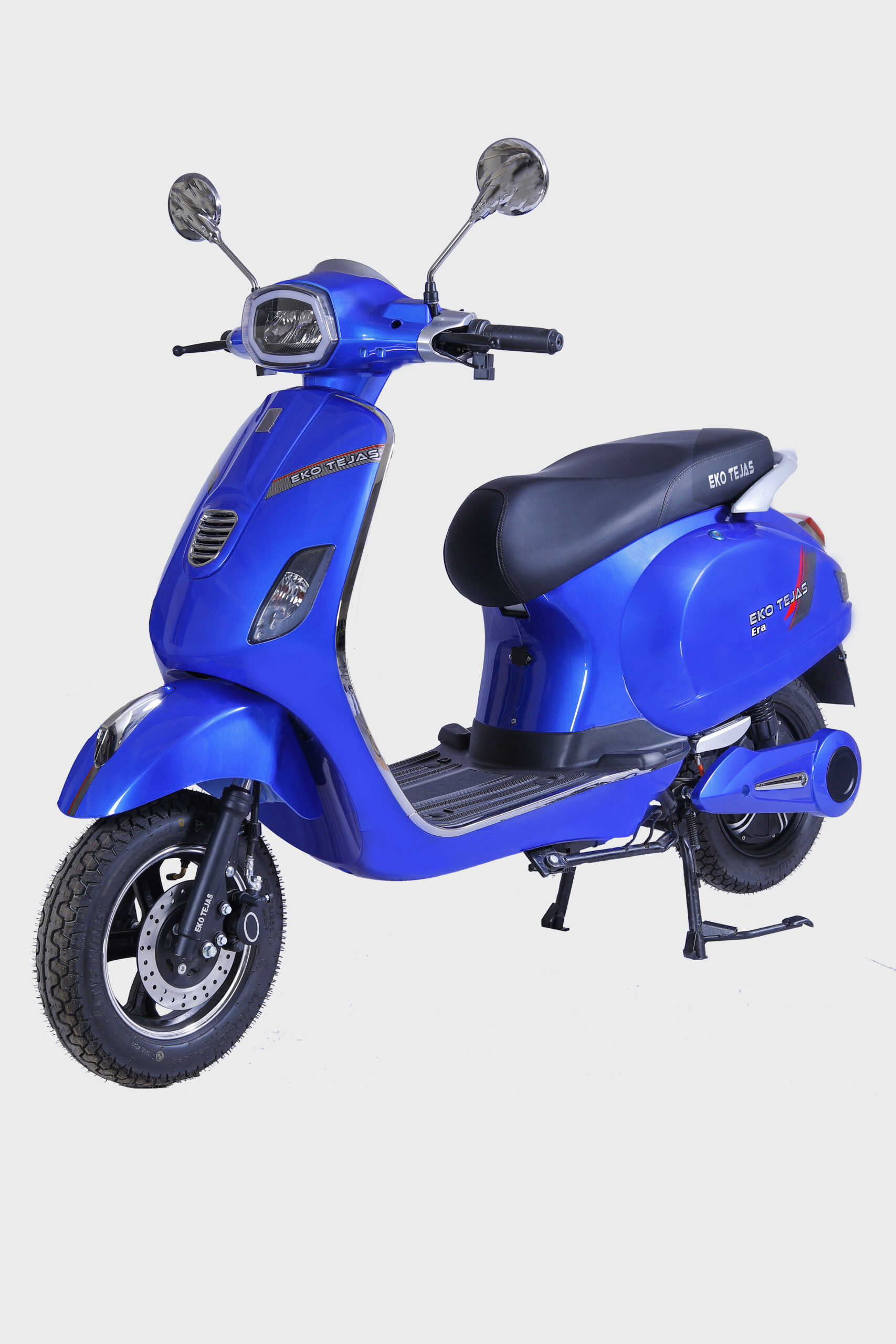
Buying an electric scooter under Rs 1 lakh is not about settling for less. It is about finding the right vehicle for the right use case at a price point that makes financial sense. The sub-1-lakh segment in 2025 has matured considerably. Brands have moved past the era of flimsy builds and exaggerated range claims, and buyers today have access to genuinely capable commuter scooters within this budget. This guide helps you cut through the noise and find what actually works.
The State of the Sub-1-Lakh Electric Scooter Market in 2025
Three years ago, buying an electric scooter under Rs 1 lakh meant accepting significant compromises on range, build quality, and after-sales support. That has changed. Policy pressure from FAME II, increased competition, improved battery supply chains, and a far more demanding consumer base have collectively pushed quality upward across the segment. Today, Rs 80,000 to Rs 1,00,000 gets you a genuinely usable daily commuter with a lithium-ion battery, digital instrumentation, disc braking, and a real-world range capable of handling most Indian urban commutes.
What Changes When You Set a Rs 1 Lakh Budget
Setting a Rs 1 lakh ceiling does not mean you miss out on meaningful features. What it does mean is that you will likely trade off a few premium additions: in-built navigation, cloud connectivity, over-the-air software updates, and fast charging compatibility tend to appear above this price threshold. However, for a buyer whose primary need is reliable, low-cost daily transport, none of those omissions is a dealbreaker.
What you should absolutely not compromise on at any price point: battery chemistry, motor reliability, and service access. These three factors determine whether your scooter is still running well at 25,000 kilometres.
Key Buying Criteria for Under Rs 1 Lakh
Battery Type: Why Lithium-Ion is Non-Negotiable
At this budget, you will encounter both lead acid and lithium-ion options. Lead-acid scooters exist below Rs 60,000 and serve a purpose for extremely short daily commutes. But for any commute above 25 to 30 kilometres per day, lithium-ion is the only practical choice. It charges faster, retains capacity longer, weighs less, and delivers more consistent range across the battery’s lifespan. The upfront premium over lead acid is typically Rs 8,000 to Rs 15,000, but this is recovered within the first 12 to 18 months of use through lower electricity cost per kilometre and avoided battery replacement cycles.
Real-World Range vs Certified Range
Every manufacturer quotes a certified range figure, typically measured under ideal lab conditions with a single rider on flat terrain at a controlled speed. Real-world range in Indian urban conditions, accounting for traffic stops, two-rider loads, heat, and inclines, typically runs 15 to 25 percent lower than the certified figure. A scooter claiming 100 km range will deliver 75 to 85 km in real use. Keep this in mind when matching the range to your commute distance.
Motor Power and Speed Classification
Scooters below 250W rated power and 25 kmph top speed are classified as low-speed vehicles under Indian law and do not require registration, insurance, or a driving licence. While this sounds attractive, low-speed vehicles are impractical for most city roads. Mid and high-speed scooters above 250W require full registration and insurance, but are genuinely street-ready. Most worthwhile models under Rs 1 lakh sit in the high-speed category.
The Best Electric Scooters Under Rs 1 Lakh in 2025
Ekotejas Axel Pro
The Axel Pro from Ekotejas is one of the most complete packages available for buyers in South India looking for honest performance within this budget. It runs a BLDC hub motor on 48V or 60V configurations, offers three speed modes for managing range based on daily requirements, and delivers a range from 44 km on a 48V lead acid pack to 90 to 100 km on the 60V 30Ah lithium-ion variant. The suspension setup is properly specced: a telescopic shock absorber at the front and a hydraulic unit at the rear. Braking is disc up front and drum at the rear. Boot space is a practical 20 litres, and the digital LCD covers all essentials. It is available in blue, white, and red. For buyers exploring Ekotejas’s full personal mobility range, the 2-Wheeler lineup covers multiple models at different configurations and price points.
Greaves Ampere Magnus EX
Greaves Electric Mobility brings manufacturing credibility from its parent company’s engine and powertrain business. The Magnus EX delivers solid range, a reliable lithium pack, and strong resale value relative to newer entrants. Service access through Greaves’ commercial network is a genuine advantage.
Okaya Faast F4
Okaya has positioned the Faast F4 as a performance-forward option in the sub-1-lakh bracket. It delivers strong acceleration, a competitive range figure, and styling that appeals to younger buyers. Battery warranty terms are worth reading carefully before purchase.
Hero Electric Optima CX
Hero Electric has one of the widest service networks of any EV-focused brand in India. The Optima CX is not the most exciting scooter on this list, but it is dependable, widely serviced, and the brand’s longevity in the EV market is reassuring for long-term ownership.
TVS iQube (Base Variant)
TVS’s entry into the sub-1-lakh zone with the base iQube variant brings exceptional build quality and the TVS service network to this price point. It is the most overengineered scooter in this segment, which translates to better long-term reliability than most competitors.
Price Breakdown: What You Are Actually Paying For
It helps to understand where your money goes in a sub-1-lakh electric scooter. Roughly 35 to 45 percent goes to the battery pack. Motor, controller, and electronics account for another 20 to 25 percent. Frame, suspension, brakes, and body panels take the remaining 30 to 40 percent. This breakdown explains why choosing lithium-ion is so impactful: you are upgrading the single most expensive component in the vehicle.
After-Sales: The Factor Most Buyers Underestimate
A scooter with excellent specifications but poor service support is a liability from the first breakdown. Before finalising any model, visit the nearest authorised service centre. Ask how long a typical battery-related repair takes. Ask whether replacement battery packs are in stock. Ask what the out-of-warranty battery replacement cost is. These questions reveal far more about ownership reality than any brochure.
Ekotejas, which also manufactures a commercial 3-Wheeler range including heavy-duty cargo vehicles like the RUGD 153, brings genuine manufacturing depth to its two-wheeler lineup. A brand that builds vehicles capable of carrying 800 to 1000 kilograms takes engineering seriously, and that culture flows into every product they make.
On-Road Price vs Ex-Showroom: Always Calculate the Full Number
Add registration charges, third-party insurance (mandatory), comprehensive insurance (strongly recommended), smart card fee, and any dealer-added accessories to get the true on-road price. Deduct applicable FAME II subsidies and state-level EV incentives. In states with active EV policies like Tamil Nadu, Gujarat, Maharashtra, and Delhi, this calculation can make a Rs 1,05,000 scooter land comfortably below Rs 1 lakh on-road.
Frequently Asked Question
The Ekotejas Axel Pro, TVS iQube base variant, and Greaves Ampere Magnus EX are among the strongest options, depending on your city and service access requirements.
Yes. The sub-1-lakh segment in 2025 offers lithium-ion scooters with 70 to 100 km range, disc braking, and proper build quality from established manufacturers.
Expect 75 to 90 km in urban conditions from models claiming 100 km certified range. Real-world figures are 15 to 25 percent lower than lab-certified numbers.
Always lithium-ion if your commute exceeds 25 km daily. Lead acid is only suitable for very short-range, low-frequency use.
Charging a full 60V battery costs approximately Rs 12 to Rs 18, depending on your state’s electricity tariff. That covers 70 to 100 km, making the per-kilometre fuel cost less than Rs 0.25.
Standard warranty is 2 years on the vehicle and 1 to 2 years on the battery. Always check whether the battery warranty covers capacity degradation or only manufacturing defects.