
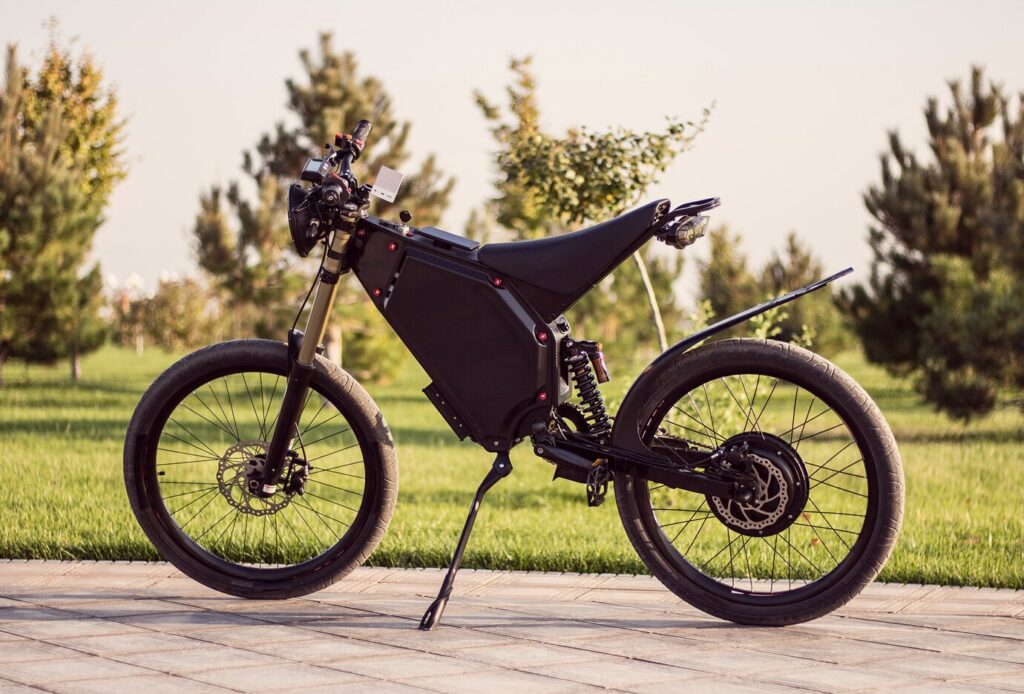
Let us be honest. The electric dirt bike segment in India is still finding its feet. While electric scooters have hit mainstream adoption and electric motorcycles are beginning to make noise on city roads, the off-road electric two-wheeler space remains a niche waiting to be fully tapped. But that does not mean there is nothing worth talking about. Quite the opposite.
Understanding What an Electric Dirt Bike Actually Is
A dirt bike, by definition, is built for off-road terrain. Knobby tyres, long suspension travel, high ground clearance, a lightweight frame, and enough torque to pull through mud, gravel, and inclines define the category. An electric dirt bike replaces the traditional internal combustion engine with an electric motor and battery pack, and in doing so, actually improves some of these traits considerably.
Electric motors deliver maximum torque from zero RPM. There is no clutch, no gearbox to manage, and no engine stall on technical terrain. The low centre of gravity from battery placement in the frame also improves balance. For off-road riding, these are genuine advantages, not marketing copy.
The Global Picture vs the Indian Reality
Globally, brands like KTM (Freeride E-XC), Stark Varg, Cake Kalk, and Electric Motion Epure have pushed electric dirt bikes to serious performance levels. The Stark Varg, for instance, runs a 6 kWh battery and 80 horsepower peak output with sub-6 second charging. These are serious off-road competition machines.
In India, the regulatory and infrastructure picture is different. Most electric two-wheelers are built for urban commuting. Off-road EV products face the additional challenge of limited service infrastructure outside cities. That said, the demand is growing. Adventure riding communities across India have been tracking the global electric off-road space closely.
What Currently Exists in India’s Electric Off-Road Space
The Indian market currently does not have a purpose-built electric dirt bike from a major domestic manufacturer. What exists falls into two loose categories.
The first is modified or custom electric off-road builds by enthusiast builders. These are typically not road-legal and exist in a grey area of regulation. They are interesting but not a practical purchase for most riders.
The second is adventure-adjacent electric motorcycles with some off-road capability. These are not dirt bikes in the purist sense but offer better ground clearance and suspension than urban scooters.
Where Electric Cargo and Off-Terrain Bikes Intersect
While dedicated electric dirt bikes are rare in India, electric vehicles built for rough terrain and heavy loads are a different story. Ekotejas manufactures vehicles designed for demanding conditions. The RUGD 153 is a three-wheeled electric cargo vehicle with a 1200W to 1500W DC Brushless motor, ground clearance of 210mm, gradeability of 18 to 20 degrees, and a carrying capacity of 800 to 1000 kilograms. While it is a commercial vehicle rather than a recreational dirt bike, it demonstrates the kind of engineering robustness that off-road electric operation demands.
For buyers interested in the full Ekotejas electric vehicle lineup, both the 3-Wheeler range and the 2-Wheeler range offer products built for Indian road and terrain conditions.
What the Future Holds for Electric Dirt Bikes in India
Several signals point toward growth in this segment. FAME III policy discussions include provisions for off-road and adventure EVs. Indian two-wheeler manufacturers are actively developing products beyond the urban scooter template. The adventure motorcycle segment has seen rapid growth in ICE over the last five years, and it is reasonable to expect EV versions to follow.
Startups in Pune, Bengaluru, and Hyderabad are working on electric two-wheelers with off-road geometry. Whether these reach production at scale and accessible price points remains to be seen.
Buying Considerations If You Are Looking at Electric Off-Road Today
If you are an enthusiast looking for an electric off-road experience today, your options are limited but not zero. Here is what to evaluate.
Battery capacity matters more in off-road riding than on tarmac. Rough terrain, inclines, and aggressive acceleration drain packs faster than smooth highway cruising. Minimum 3 kWh is recommended for any serious off-road use.
Waterproofing and dust resistance ratings are critical. IP67 or better for both motor and battery is the standard to look for. Indian off-road conditions involve dust, water crossings, and mud, none of which are friendly to electronics without proper sealing.
Suspension travel should be at a minimum of 150mm front and rear for credible off-road capability. Below that, you have an adventure-styled scooter, not a real dirt bike.
FAQs
No dedicated electric dirt bike from a major manufacturer is currently available in India. The segment is emerging but not yet mainstream.
Imported electric off-road models cost Rs 5 lakh and above. Domestic options are still in development.
Electric motors deliver instant torque and have fewer mechanical failure points, making them well-suited for off-road use when properly engineered.
Globally, electric dirt bikes offer 1.5 to 3 hours of riding time per charge, which translates to 40 to 80 kilometres depending on terrain.
If they meet speed, motor power, and registration requirements, yes. Many off-road builds are not road-legal as sold.
Focus on battery capacity (3 kWh minimum), IP waterproofing rating (IP67+), suspension travel (150mm+), ground clearance, and available service support.