
Upcoming Electric Motorcycles in India: Ride into the Future of Eco-Friendly Commuting with Ekotejas Innovation
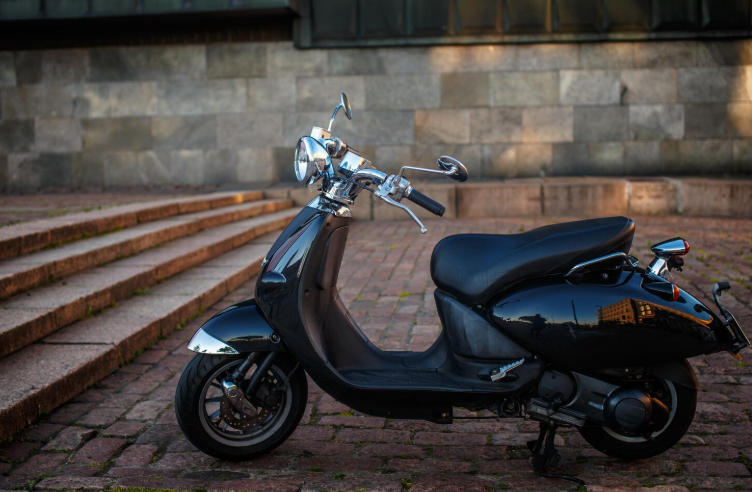
The Indian two-wheeler sector is undergoing a massive paradigm shift as high-speed electric powertrains replace conventional internal combustion engines. Riders seeking sustainable mobility now demand superior thermal stability, extended range, and competitive capital recovery rates. Ekotejas leads this clean revolution by developing robust commuter vehicles engineered specifically to withstand challenging domestic road and temperature profiles.
The Fast-Evolving Horizon of High-Performance Electric Motorcycles
Leading Market Entrants Redefining Indian Two-Wheeler Standards
The arrival of advanced electric bikes indicates a maturity in the Indian market where consumers no longer tolerate short ranges or fragile frames. Elite contenders are introducing improvements in battery packaging, higher thermal thresholds, and state of the art telemetry to ensure seamless daily operations. For those prioritizing cruiser comfort and long range capacity, upcoming options represent a distinct leap in manufacturing excellence. Riders exploring a cheap electric bike will find that modern platforms deliver far more value than earlier generations suggested.
- Long-Range Endurance: Modern battery designs provide over 150 kilometers of real-world range on a single charge to eliminate charging anxiety.
- Rapid Fast Charging: High-voltage DC charging systems reduce battery replenishment times to under one hour at public stations. For more information, explore the electric bike showroom.
- Advanced Telematics: Integrated smart dashboards track vehicle diagnostics, GPS location, and real-time riding speed history continuously.
- Low Operating Maintenance: High-efficiency hub motors minimize mechanical friction by eliminating complex, high-wear belt and chain drivetrains.
- Dual Battery Flexibility: Selected premium platforms support auxiliary hot-swappable batteries to double total range instantly for long distance travel.
Comparative Analysis of Top Upcoming and Current EV Powertrains
Analyzing mechanical specifications side by side reveals how different manufacturers prioritize speed versus overall utility. Performance models sacrifice commuter efficiency to achieve high velocities, whereas standard commuter options focus heavily on thermal safety. Choosing a versatile motorcycle like the upcoming Ekotejas E-Dyroth ensures riders achieve the perfect equilibrium between aggressive torque and safe urban cruising.
Motorcycle Model | Estimated Price (INR) | Claimed Range (km) | Top Speed (km/h) | Key Highlight |
Ekotejas E-Dyroth | 1,30,000 (Expected) | 150 km (Extendable to 300 km) | 100 km/h max speed | Dual-battery option cruiser styling |
Revolt RVX | 94,900 (Post subsidy) | 160 km claimed | 90 km/h max speed | Sporty design with USD front forks |
Flying Flea C6 | 1,99,000 (Estimated) | 154 km claimed | 95 km/h max speed | Retro-modern design by Royal Enfield |
Ultraviolette X47 | 2,49,000 (Ex-showroom) | 211 km claimed | 120 km/h max speed | High performance sportbike styling |
Ekotejas Prive | 1,15,000 (Ex-showroom) | 105 km claimed | 85 km/h max speed | Highly efficient BLDC motor design |
Decoding the True ROI and Daily Operating Costs of EV Transitioning
Key Financial Drivers Influencing Capital and Maintenance Savings
Investing in an electric motorcycle offers immediate economic relief compared to purchasing volatile, high-priced fossil fuels. While the initial capital expenditure may seem higher, minimal maintenance requirements accelerate the path to profitability. Commuters typically break even within the first year of ownership due to negligible part replacements. Those considering an electric bike rental before committing to a purchase can validate these savings firsthand.
- Fuel Cost Elimination: Charging with domestic electricity is approximately ten times cheaper than purchasing premium petroleum at local fuel pumps.
- Reduced Moving Parts: Zero valves, pistons, gaskets, or spark plugs means fewer mechanical failure points to inspect and repair over time.
- Regenerative Braking Power: Smart electronic braking systems recover kinetic energy during deceleration to extend battery life and reduce brake pad wear.
- Tax Incentives: State-level subsidies and road tax exemptions significantly lower the overall acquisition and registration fees for consumers.
- Higher Resale Retention: Advanced lithium battery packs maintain high asset values and slower depreciation in the secondary pre-owned market.
Systematic Breakdown of Electric Versus Traditional Fuel Expenses
Expense Parameter | Petrol Commuter Bike | Ekotejas E-Bike (E-Dyroth/Prive) | Net Savings Over 3 Years |
Fuel/Electricity Cost | Rs. 2.50 per km on average | Rs. 0.25 per km on average | Rs. 67,500 based on standard running |
Routine Servicing | Rs. 3,500 per year for oil and tuneups | Rs. 500 per year for general checks | Rs. 9,000 in routine maintenance cost |
Consumable Spares | Rs. 4,000 for filters, sparks, and belts | Rs. 1,000 for brake pads and fluids | Rs. 3,000 in wear-and-tear components |
Registration & Tax | Standard state RTO registration charges | Zero road tax in participating states | Rs. 8,000 in government registration savings |
Tactical Selection Criteria for Your Next Electric Commuter Motorcycle
Fundamental Engineering Elements That Protect Battery Longevity
The battery pack represents the single most critical component of any electric motorcycle in terms of both cost and safety. Prioritizing vehicles equipped with smart Battery Management Systems prevents overcharging, cellular imbalance, and dangerous thermal runaway situations. This active electrical shielding guarantees stable performance during high-temperature operations on typical Indian highways. Riders who prefer off-road terrain should also consider an electric dirt bike built to handle rugged conditions with equal reliability.
Step-by-Step Acquisition and Inspection Process for New Owners
- Analyze Daily Commute: Estimate your average daily mileage and route topography to select the ideal battery capacity and range package.
- Verify Charger Infrastructure: Confirm home socket compatibility and locate public fast-charging stations along your primary travel routes.
- Test Local Ride Quality: Inspect suspension damping, tire traction, weight distribution, and braking responsiveness during an on-road trial.
- Review Warranty Terms: Ensure comprehensive manufacturer coverage exists for both the lithium battery pack and the high-torque electric motor.
- Finalize Subsidy Paperwork: Submit all necessary documentation to claim available state-level electric vehicle incentives and tax refunds.
Driving Sustainable Innovation Through the Distinctive Ekotejas Catalog
Why the Ekotejas E-Dyroth and Prive Dominate the Smart Cruiser Segment
Ekotejas has engineered a revolutionary lineup that bridges the gap between premium design and mass market accessibility. The flagship E-Dyroth delivers an imposing cruiser design while giving riders the ability to expand range up to 300 kilometers with a dual-battery setup. Complementing this, the Prive model offers an agile city-riding alternative with low running costs. Buyers can explore the full range as an electric bike cycle option suited to varied commuting needs.
Frequently Asked Question
The Ekotejas E-Dyroth offers a standard claimed range of 150 kilometers, which can be extended to 300 kilometers with an optional dual-battery configuration.
Yes, most upcoming electric motorcycles qualify for state-level subsidies and road tax exemptions depending on localized regional policies.
Standard home charging typically takes four to five hours, while commercial fast-charging systems can replenish up to eighty percent capacity in under one hour.
No, electric motorcycles utilize electric motors instead of internal combustion engines, eliminating the need for routine engine oil changes.