
Electric Scooter Price in India 2026: Full Buying Guide Across Every Budget
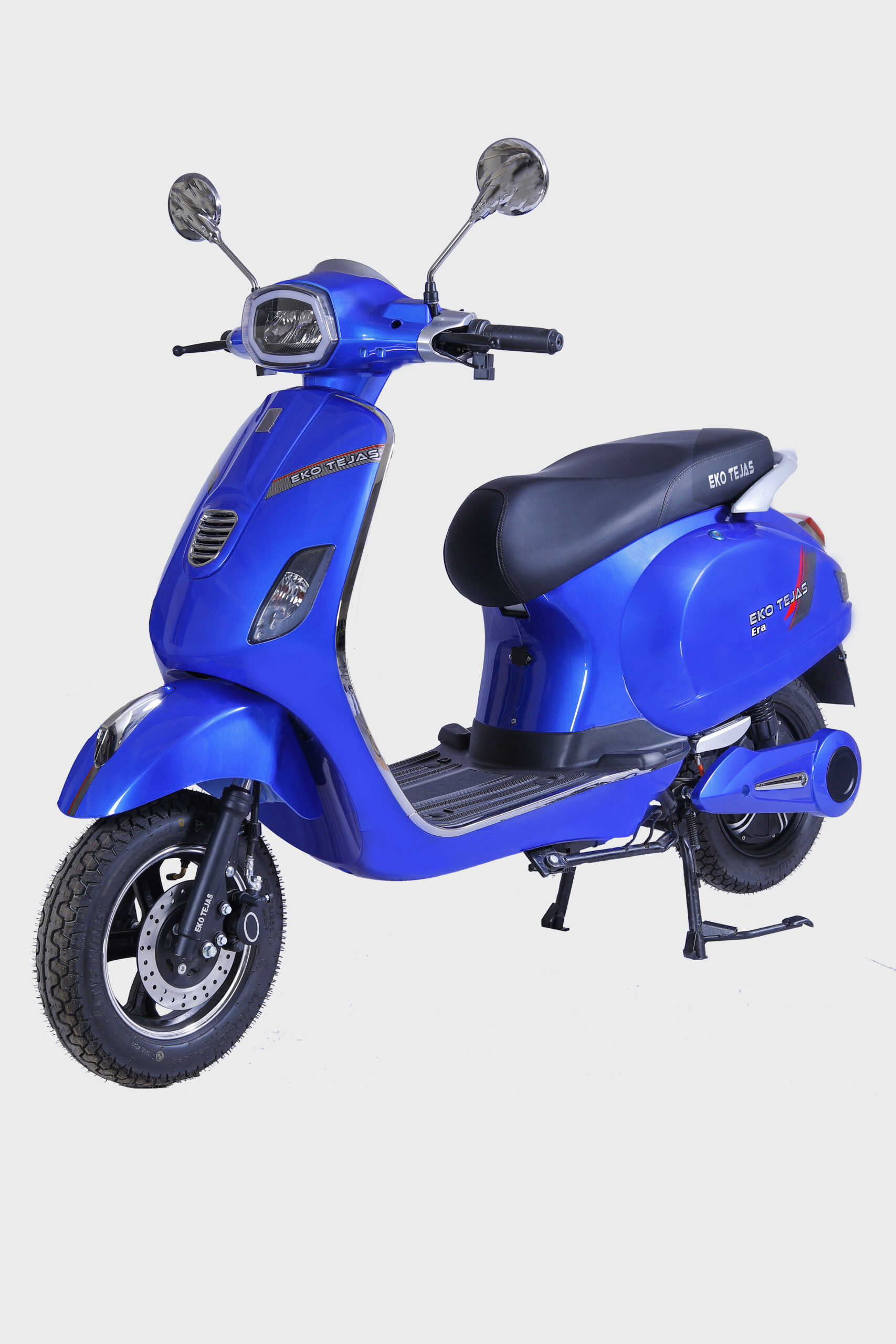
If you have been thinking about switching to electric, the first question that comes to mind is simple: how much does an electric scooter actually cost in India? The answer is not as straightforward as it looks. Prices vary wildly depending on battery capacity, range, motor power, brand reputation, and the city you live in. This guide breaks it all down so you walk in knowing exactly what to expect.
What Determines Electric Scooter Price in India
Before quoting numbers, it helps to understand what you are paying for. An electric scooter is not just a petrol scooter with a motor swapped in. The battery pack alone can account for 35 to 45 percent of the total vehicle cost. Motor type, controller quality, suspension setup, display unit, and charging infrastructure all add to the price. The segment you target also determines how much after-sales support, warranty, and spare availability you get.
Battery Chemistry and Its Impact on Price
Lead-acid battery scooters sit at the lower end of the price spectrum. They are heavier, charge slower, and degrade faster, but they keep the upfront cost low. Lithium-ion variants cost more to buy but save significantly over a 3 to 5 year ownership period through better range, faster charging, and longer battery life. Most serious buyers today lean toward lithium-ion even at a modest premium.
Motor Power and Speed Ratings
Entry-level scooters run on 250W-rated motors, which technically classify them as low-speed vehicles under Indian law and do not require registration or a driving licence. Mid-segment scooters use 1200W to 3000W motors and fall under the high-speed category, requiring full registration, insurance, and a valid licence. Premium models go further still, with motors touching 5000W or beyond.
Electric Scooter Price Ranges in India: Segment-by-Segment Breakdown
Budget Segment: Under Rs 50,000
This range is dominated by low-speed scooters, mostly running on lead acid or entry-level lithium packs. Range typically sits between 40 and 70 kilometres per charge. These models suit short daily commutes, college students, and buyers making their first EV purchase. Build quality is basic, but the running cost advantage is real from day one.
Mid Segment: Rs 50,000 to Rs 1,00,000
This is where most of the serious volume sits in the Indian market. You get better build quality, lithium-ion batteries, disc brakes, digital displays, and ranges touching 80 to 120 kilometres. Most of the leading brands fight hard in this space, and it is also where Ekotejas positions its two-wheeler lineup. If you want to explore the full Ekotejas two-wheeler range, visit the Ekotejas 2-Wheelers page to see what fits your daily riding needs.
Premium Segment: Rs 1,00,000 to Rs 1,50,000 and Above
Scooters in this bracket deliver near-motorcycle performance, connected features, fast charging support, and brand warranty programs. They target buyers who want a complete ICE replacement rather than just a commuter tool.
City-by-City Price Variation: Why Your Location Matters
Electric scooter prices are not uniform across India. State subsidies under the FAME II scheme and state-level EV policies mean a buyer in Delhi or Gujarat often pays less than someone in a state with no subsidy framework. Road tax exemptions in several states also bring effective prices down. Always check what your state offers before finalising a model.
Chennai, Mumbai, Hyderabad, Bengaluru, and Pune are among the highest-volume EV markets. Dealership density in these cities means better competition, sharper pricing, and faster service. Smaller cities may see a slight price premium simply due to logistics and fewer service centres.
Total Cost of Ownership: The Number That Actually Matters
Sticker price is only part of the story. Running an electric scooter costs approximately Rs 0.15 to Rs 0.25 per kilometre for electricity, compared to Rs 3 to Rs 4 per kilometre for petrol at current rates. Over 30,000 kilometres, that difference compounds into a saving of Rs 80,000 to Rs 1,00,000. Add lower service costs, no oil changes, no spark plug replacements, and far fewer moving parts, and the long-term case for electric becomes hard to argue against.
What Ekotejas Offers Across Price Points
Ekotejas is a Gooty, Andhra Pradesh-based EV manufacturer building both two-wheelers and three-wheelers for the Indian market. The Axel Pro is a strong mid-segment choice, offering a BLDC hub motor, telescopic front suspension, disc braking up front, 20 litre boot space, and range options stretching from 44 kilometres on a 48V lead acid pack to 90 to 100 kilometres on the 60V 30Ah lithium-ion variant. It runs in three speed modes, carries two passengers plus luggage, and comes in blue, white, and red.
For buyers interested in cargo or commercial electric mobility, the Ekotejas 3-Wheeler range offers vehicles built for payload, durability, and last-mile logistics at competitive pricing.
Key Things to Check Before Buying
Always verify the battery warranty separately from the vehicle warranty. Check whether the on-road price includes registration charges, insurance, and any mandatory accessories. Ask specifically about authorised service centres in your city and the availability of spare battery packs. A scooter priced attractively may have poor spare support, which negates the savings entirely over time.
Frequently Asked Question
Prices range from Rs 35,000 for entry-level models to Rs 1,50,000 and above for premium variants, depending on battery, motor, and brand.
High-speed scooters above 25 kmph and 250W require registration and insurance. Low-speed models are exempt.
Electric scooters cost roughly Rs 0.15 to Rs 0.25 per kilometre versus Rs 3 to Rs 4 per kilometre for petrol, making electric scooters significantly cheaper to run.
Most manufacturers include the battery in the stated price, but always confirm whether it is lead acid or lithium-ion, as the range differs significantly.
Yes. The FAME II scheme and several state EV policies offer subsidies that can reduce the effective purchase price by Rs 10,000 to Rs 30,000, depending on the state and model.
For short daily commutes under 40 kilometres, a sub-50K electric scooter can be a practical and cost-effective option, especially as a second vehicle.