
Electric Scooter Under 1 Lakh in India 2025: Every Serious Option, Honestly Assessed
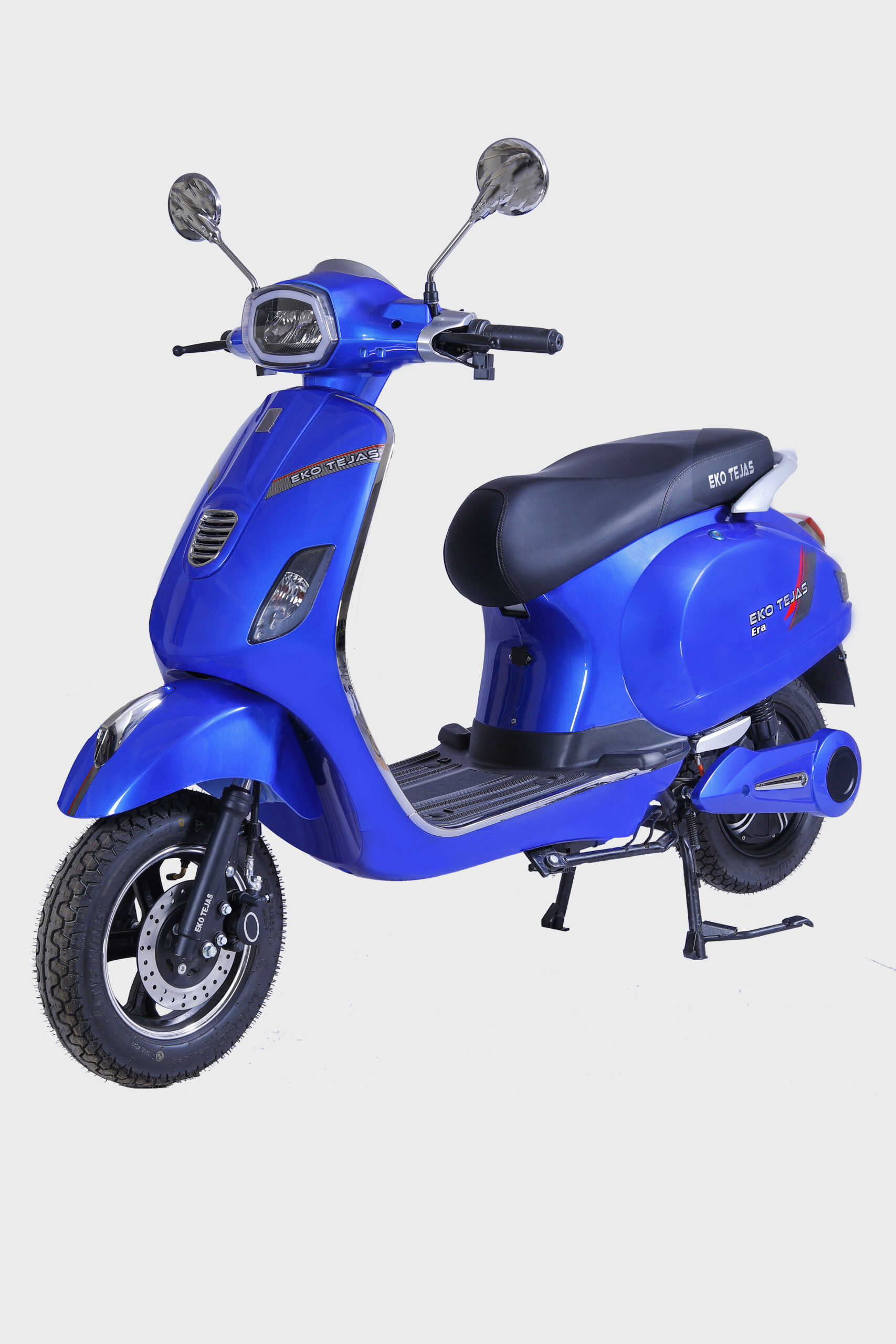
The Rs 1 lakh mark is where India’s electric scooter market gets genuinely interesting. Below this price, buyers find a surprisingly wide choice of models ranging from basic low-speed commuters to properly capable high-speed scooters that can replace a petrol vehicle entirely. This piece covers what you can realistically get under Rs 1 lakh and how to separate the options worth buying from those that look good on paper and disappoint on the road.
Why the Sub-1-Lakh Segment Matters
India’s electric scooter volume is built on this price band. The majority of first-time EV buyers enter here. Getting this decision right matters because a poor first experience with electric mobility can delay a buyer’s next EV purchase by years. The good news is that the quality floor in this segment has risen considerably since 2021.
Understanding On-Road vs Ex-Showroom Price
Always think in on-road terms. A scooter advertised at Rs 89,999 ex-showroom can land above Rs 1 lakh once registration, insurance, smart card, and accessories are added. Conversely, state subsidies and FAME II benefits can pull a Rs 1,05,000 scooter under Rs 1 lakh in certain states. Know your state’s EV policy before visiting any showroom.
What Rs 1 Lakh Gets You in 2025
The segment has matured. A well-chosen sub-1-lakh electric scooter in 2025 typically offers lithium-ion battery options, 70 to 100 kilometre range, digital instrumentation, LED lighting, disc braking at the front, and a two-year warranty on the vehicle with separate battery coverage. These are no longer stripped-down products. They are practical daily transport solutions.
Segment-by-Segment Breakdown
Rs 40,000 to Rs 60,000: Entry Commuter Zone
Models here are mostly low-speed, lead acid, and suited for very short commutes of 15 to 30 kilometres daily. They work well as second vehicles or for hyperlocal use. Build quality varies widely. Stick to brands with physical service centres in your city.
Rs 60,000 to Rs 80,000: The Practical Sweet Spot
This is where lithium-ion becomes the norm, and real commuting usefulness begins. Scooters here can handle 50 to 80 kilometres daily needs, carry a pillion, and hold up to regular daily use. The Ekotejas Axel Pro operates in this space with a strong specification sheet: BLDC hub motor, 48V/60V options, telescopic front suspension, hydraulic rear suspension, 20L boot, disc front brake, and range configurations stretching from 44 kilometres on a 48V lead acid pack to 90 to 100 kilometres on the 60V 30Ah lithium-ion configuration. Three speed modes give the rider control over energy use depending on conditions.
Rs 80,000 to Rs 1,00,000: Near-Premium Territory
Models at this price point begin offering connected features, better refinement, and in some cases, fast charging compatibility. You are paying for a more complete product experience. This is also where brands with a strong manufacturing pedigree, like Ekotejas, differentiate themselves from assemblers who source all components without engineering integration.
Features to Prioritise at Every Budget Level
Battery chemistry should be your first filter. Always choose lithium-ion over lead acid if your daily use exceeds 30 kilometres or if you need the scooter to remain useful for five or more years. Lithium packs degrade more slowly and charge faster.
Motor type matters. BLDC hub motors are quiet, require minimal maintenance, and are reliable for urban use. Ensure the motor power rating aligns with your city’s terrain. Flat cities like Hyderabad and Chennai need less motor grunt than hilly routes in Pune or parts of Chennai’s suburbs.
Service network is the most overlooked factor. A scooter with excellent specs but no service centre within 50 kilometres is a liability. Check before buying.
Ekotejas in the Sub-1-Lakh Conversation
Ekotejas builds vehicles for real Indian conditions. Beyond the Axel Pro, the full Ekotejas 2-Wheeler lineup covers multiple configurations for different rider profiles and budgets. The brand also manufactures commercial electric three-wheelers, with models like the RUGD 153 serving cargo and last-mile logistics operators with a 1200W to 1500W motor, 80 to 120 km range, and carrying capacity up to 1000 kg. That manufacturing breadth signals engineering seriousness in a market filled with assemblers.
Making the Final Decision
Shortlist two or three models. Ride all of them if possible. Ask the dealer what the service wait time is typically for a battery-related issue. Ask specifically what the battery replacement cost will be at year three or four. These answers tell you more about real ownership than any spec sheet.
For buyers in South India, particularly, Ekotejas represents a locally built option with proper commercial manufacturing depth behind it, which is worth serious consideration.
Frequently Asked Question
Options from Ekotejas Axel Pro, Greaves Ampere, and Okaya offer strong value in this range. The best choice depends on your city, daily range needs, and service access.
Yes, almost always. Longer life, faster charging, better range retention over time, and lower weight make the premium worthwhile for any commute above 25 to 30 km daily.
FAME II subsidies apply to eligible models registered with the scheme. Check the official government list for qualifying models and subsidy amounts per model.
Typically, 2 to 3 years on the vehicle and 1 to 2 years on the battery. Read the fine print on the battery warranty, as it often has charge cycle limitations.
Yes, most mid-segment models are rated for two passengers. Check the gross vehicle weight rating and ensure the range claim is for two-person load conditions.
Electric scooters need servicing every 6,000 to 8,000 kilometres, typically, which is far less frequent and cheaper than petrol scooters that need oil changes every 2,000 to 3,000 kilometres.