
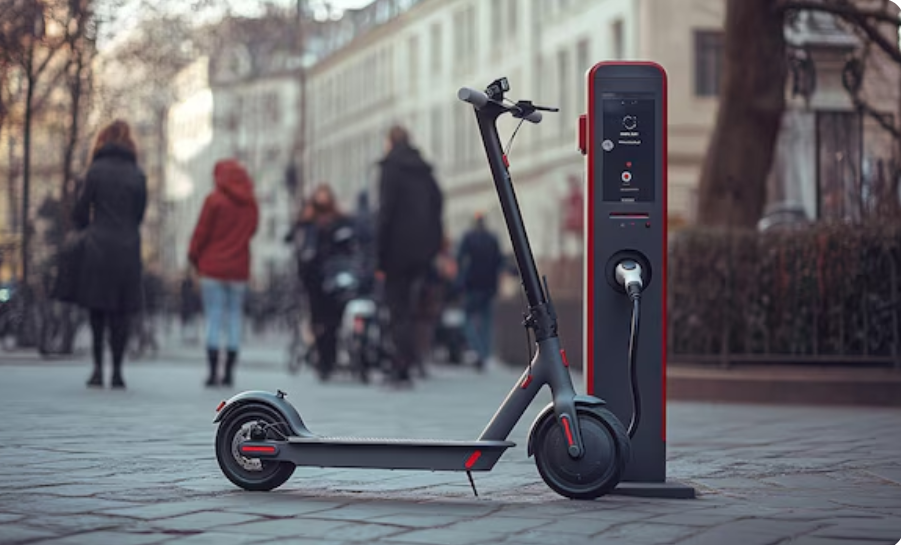
Home charging is the most practical and economical way to power an electric scooter in India, but understanding the true setup cost requires clarity on three distinct layers: the charger itself (included with your scooter), any electrical infrastructure upgrades your home may need, and the ongoing monthly electricity expense. This guide breaks down each cost component with 2026 market data, helping you budget accurately before purchase.
Understanding the Three-Layer Cost Structure of Home Charging
Electric scooter home charging costs fall into three separate categories that buyers often conflate. The first layer is the charger hardware, which comes bundled with your scooter at no additional cost. The second layer involves electrical infrastructure: whether your home’s existing socket and wiring can safely handle charging, or if upgrades are needed. The third layer is the recurring monthly electricity cost based on your local tariff and usage pattern.
Most Indian electric scooters are designed to charge from standard domestic sockets without requiring specialized equipment. The vast majority of electric scooters charge directly from a standard 15-amp, 3-pin earthed socket, the same type used for air conditioners and geysers, with no additional EVSE or smart charger installation needed, as the charger supplied with the vehicle plugs directly into the socket.
Charger Hardware and Included Equipment
You can charge an electric scooter at home overnight from any standard socket at a cost of ₹10–₹35 per full charge. The charger itself is included with your scooter purchase and requires no separate investment. Most modern scooters use lithium-ion or LiFePO4 battery chemistry with onboard chargers that convert AC mains electricity to DC. The onboard charger converts AC mains electricity to DC before it enters the battery, with that conversion producing heat and losing around 10–15%, so at 85% charging efficiency, a 2.4 kWh top-up draws about 2.8 kWh from your meter.
Electrical Infrastructure Requirements and Upgrade Costs
Using a dedicated 15A circuit for charging, rather than sharing with other high-draw appliances, prevents nuisance tripping of your MCB and ensures stable voltage to the charger, and a licensed electrician can add a dedicated 15A outlet at your parking point if regular sharing with other heavy appliances is a concern. For most urban homes, no upgrades are necessary. If your parking location lacks a nearby earthed socket or shares circuits with high-draw appliances, adding a dedicated outlet typically costs ₹2,000–₹5,000. Older homes with 5A sockets may require replacement, adding ₹1,500–₹3,000.
Monthly Electricity Costs and Usage Patterns
The recurring cost of home charging depends on your scooter’s battery capacity, your local electricity tariff, and your monthly riding distance. Electricity tariffs across India typically range between ₹5 and ₹8 per unit (kWh). Charging cost is calculated using a simple formula: Battery Capacity (kWh) × Electricity Rate (₹/unit) = Full Charge Cost, and for a scooter with a 3.5 kWh battery and a home electricity tariff of ₹7 per unit, the calculation shows the full charge cost.
The following table shows realistic monthly electricity costs across common usage patterns and battery sizes:
Battery Capacity | Full Charge Cost (₹7/unit) | Daily Commute (25 km) | Monthly Cost | Annual Cost |
2.0 kWh | ₹14 | 1 charge every 3-4 days | ₹105–₹140 | ₹1,260–₹1,680 |
2.5 kWh | ₹17.50 | 1 charge every 3-4 days | ₹130–₹175 | ₹1,560–₹2,100 |
3.5 kWh | ₹24.50 | 1 charge every 2-3 days | ₹245–₹368 | ₹2,940–₹4,416 |
4.0 kWh | ₹28 | 1 charge daily | ₹280–₹560 | ₹3,360–₹6,720 |
These figures assume a ₹7 per unit tariff; your actual cost will vary based on your state’s electricity rates.
Calculating Your Exact Monthly Charging Cost
Most Indian electric scooters fall in the 2–4 kWh range, with one full charge equaling 2–4 units of electricity, translating to just ₹15–₹30 per complete charge at an average household tariff of ₹7 per unit. To calculate your personal monthly cost: find your scooter’s battery capacity in kWh, check your state’s domestic electricity tariff from your bill, multiply Battery Capacity × Tariff = Cost per full charge, estimate your monthly charges based on daily riding distance, then multiply Cost per charge × Monthly charges. With India’s tiered domestic electricity tariffs, charging 3 kWh (typical for 100 km) costs ₹25–₹42 depending on time-of-use. Off-peak charging during night hours may qualify for lower tariffs in some states.
Comparing Home Charging to Petrol Running Costs
With home charging, the cost per km ranges from ₹0.15 to ₹0.40 depending on battery size and riding conditions, compared to ₹2.00–₹2.50 per km for a petrol scooter, making electric consistently 80–90% cheaper to run. Electric scooters save ₹1,200–₹1,500 every month, translating into ₹15,000–₹18,000 per year.
Infrastructure Decisions: Fixed Wiring vs. Removable Battery Models
Two distinct home charging approaches exist in the Indian market, each with different infrastructure implications. The first requires a dedicated charging socket at your parking location. The second uses removable battery scooters, which eliminate parking-location infrastructure. One practical challenge with home charging in Indian cities is access, as many riders park in basements, on streets, or in housing societies without a dedicated EV socket near their parking, but a removable battery electric scooter eliminates this problem by allowing you to detach the battery and carry it to your flat or office to plug into any standard socket.
Safety Standards, Charging Practices, and Long-Term Cost Protection
- Use only the original charger supplied with your scooter
- Plug into a properly earthed 15A socket (three pins, with top round pin for earth)
- Allow 15–20 minutes of cooling time after riding before plugging in
- Charge in a well-ventilated area, not in sealed spaces
- Avoid charging during thunderstorms or extreme heat
- For extended storage, maintain a 20–80% state of charge rather than 100%
- Inspect the charger cable monthly for damage
Popular Models and Their Charging Specifications
Various electric scooter models on the market employ different charging architectures. Models featuring fixed batteries with dedicated sockets include RUGD 153, which requires proper electrical infrastructure. For customers seeking flexibility, removable battery options and 3-WHEELERS designs are available. Standard two-wheeler options from most manufacturers, including various WHEELERS, offer compatibility with home charging via standard sockets. Premium models like AXEL PRO feature enhanced battery management systems for safer home charging.
Frequently Asked Questions
No, the vast majority of electric scooters charge directly from a standard 15-amp, 3-pin earthed socket with no additional EVSE or smart charger installation needed, as the charger supplied with the vehicle plugs directly into the socket.
The electric scooter charging cost in India for 2026 is ₹200–₹500 per month for most daily commuters, versus ₹1,800–₹3,000 for petrol.
Adding a dedicated 15A earthed socket at your parking location typically costs ₹3,500–₹7,000 for standard installations within 20 meters of your electrical panel, including materials and licensed electrician labour.
Yes, provided you use the original charger, plug into a properly earthed 15A socket, and ensure adequate ventilation at the charging point, as the BMS automatically cuts charging current when the battery reaches full capacity, preventing overcharge.
Charging cost is calculated using the formula: Battery Capacity (kWh) × Electricity Rate (₹/unit) = Full Charge Cost. For example, a scooter with a 3.5 kWh battery and a home electricity tariff of ₹7 per unit.