
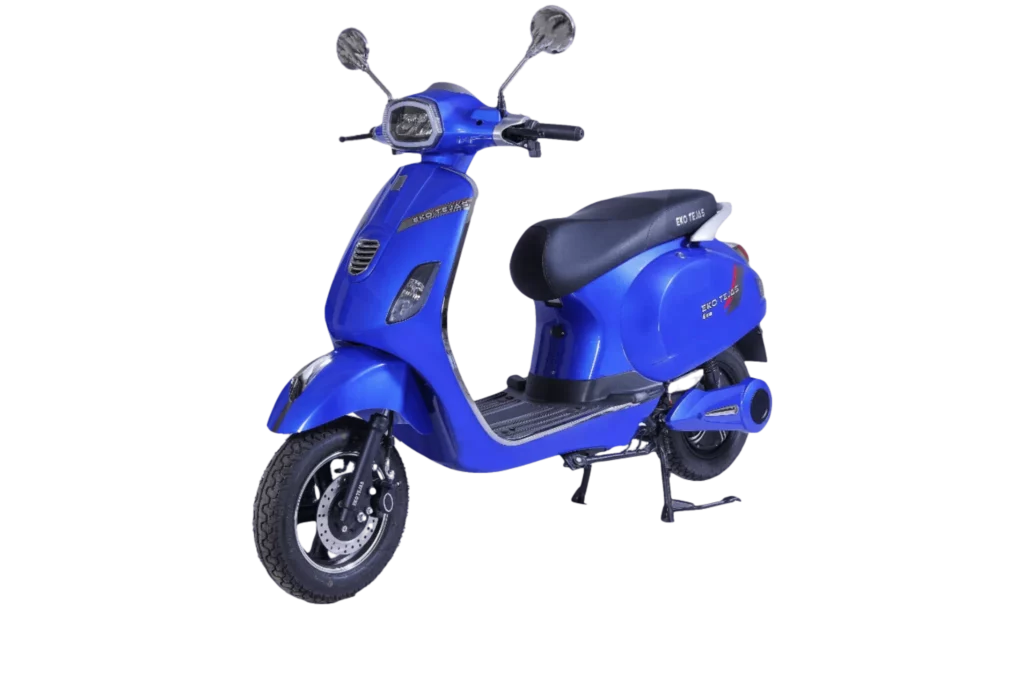
Finding an exceptional high range electric scooter requires balancing battery capacity, motor efficiency, and real-world durability. Modern Indian riders demand long distances without sacrificing daily performance, frame reliability, or structural safety on challenging terrains. This complete guide provides the technical specifications, performance comparison data, and vital buying checklists needed to invest confidently in sustainable mobility. For more information, explore the electric scooter showroom in pune.
Technical Foundations of Long-Distance EV Engineering
Battery Chemistry and Battery Management Systems (BMS)
High performance lithium-ion cells serve as the primary chemical powerhouse for any reliable, long-distance electric two-wheeler operating in India today. A smart electronic battery management system continually monitors voltage fluctuations, cell temperatures, and charging currents to ensure passenger safety. Ekotejas integrates these advanced safety protocols across its entire fleet to deliver consistent power output under heavy urban payload conditions.
Motor Technology and Regenerative Braking Systems
An efficient propulsion motor converts stored electrical energy into physical momentum without generating excessive waste heat or taxing the battery. Many premium models utilize high-torque brushless direct current hub motors or permanent magnet synchronous mid-drive setups to maintain peak velocity on steep inclines, making them the best electric scooter for hilly areas india. Integrated regenerative braking systems further enhance overall system efficiency by capturing kinetic energy during deceleration and feeding it back into the storage cells.
- Reclaims kinetic deceleration energy and converts it into usable power.
- Reduces thermal and physical wear on critical mechanical brake assemblies.
- Monitors individual cell voltages to prevent damaging overcharging scenarios.
- Maximizes the overall performance lifespan of expensive lithium battery packs.
- Delivers incredibly smooth, controlled deceleration on wet and slippery streets.
Model Name | Battery Capacity | Claimed IDC Range | Real-World Range | Top Speed Spec | Motor Integration Type |
Ekotejas DYROTH | 4.0 kWh | 220 km | 150 km | 100 km/h | PMSM mid-drive |
Ekotejas Axel Pro | 3.2 kWh | 140 km | 110 km | 65 km/h | BLDC hub motor |
Premium Competitor A | 3.7 kWh | 195 km | 130 km | 115 km/h | Mid-drive motor |
Premium Competitor B | 3.4 kWh | 165 km | 115 km | 80 km/h | BLDC hub setup |
Entry-Level Competitor C | 2.5 kWh | 100 km | 75 km | 45 km/h | Hub motor |
Real-World Mileage Versus Certified Range Claims
Factors Affecting Actual Road Performance
Commuters and delivery drivers frequently observe that certified laboratory range limits do not align perfectly with real-world road conditions. Excessive passenger payload, incorrect tire pressure levels, and aggressive riding habits can easily degrade expected mileage by up to thirty percent. Developing a clear understanding of these operating variables helps vehicle owners plan their weekly charging schedules and prevent range anxiety.
How Ekotejas Engineers Superior Real-World Range
By meticulously optimizing chassis aerodynamics and decreasing curb weight, Ekotejas designs high range electric scooter models that comfortably withstand harsh road realities. Real-world field use consistently demonstrates that precise digital throttle mapping and robust thermal control units yield exceptional mileage consistency, which is why riders searching for the best electric scooter under 1 lakh in bangalore frequently choose Ekotejas. These deliberate manufacturing decisions ensure that everyday riders achieve maximum distance on a single charge without experiencing sudden voltage drop-offs.
Economic Viability and Return on Investment (ROI)
Fuel Savings and Operational Efficiency
Transitioning away from petroleum-fueled engines provides rapid relief from volatile fuel pricing and unpredictable monthly commuter transport budgets. Electric vehicles operating in metropolitan centers perform at a mere fraction of the operational cost associated with traditional combustion engines. This economic benefit allows daily riders to comfortably recover their complete capital investment within less than twenty-four months.
Cost Comparison Metric | Ekotejas DYROTH EV | Standard Petrol Scooter | Cumulative Financial Advantage |
Energy and Fuel Expense per Kilometer | Rs. 0.30/km | Rs. 2.50/km | Rs. 2.20/km saved |
Annual Travel Expenses (15,000 Kilometers) | Rs. 4,500 | Rs. 37,500 | Rs. 33,000 saved |
Mandatory Scheduled Maintenance and Service | Rs. 1,500 | Rs. 8,000 | Rs. 6,500 saved |
Three-Year Cumulative Operating Expenditure | Rs. 18,000 | Rs. 1,36,500 | Rs. 118,500 saved |
Carbon Emissions and Environmental Offset | Zero tailpipe | 1.2 Tons CO2 | Clean local air |
Maintenance Comparisons and Long-Term Value
Conventional scooters contain hundreds of intricate reciprocating parts that demand scheduled lubricant changes, replacement gaskets, and complex engine fine-tuning. In extreme contrast, electric drivetrains feature a solid-state battery unit, dynamic motor controller, and brushless hub drive with minimal wearable parts. Partnering with a trusted manufacturer and locating reliable electric scooter dealers near me ensures continuous warranty security and strong vehicle resale value.
Charging Integration Mode | Typical Charging Time | Grid Power Efficiency Level | Recommended Operational Commute Scenarios |
Standard Household Wall Outlet | 4.5 Hours to complete | 92 percent conversion efficiency | Standard overnight residential charging setups |
Commercial Public Fast Station | 1.5 Hours to complete | 88 percent conversion efficiency | Urgent mid-day courier route top-ups |
Selecting and Caring for Your Premium Electric Scooter
Essential Features to Evaluate Before Buying
- Minimum certified IP67 rating protecting all high-voltage electronics from monsoon rains.
- Dual hydraulic disc brakes featuring an electronic combi-braking safety safety system.
- Ergonomic dual-contour seating with a low, comfortable center-of-gravity deck plate.
- Deep utility under-seat compartment offering secure luggage and helmet storage.
- Intelligent multi-mode throttle settings with a dedicated low-speed city eco mode.
Best Practices for Maximizing Battery Lifespan
Adopting healthy charging routines will effortlessly double the long-term service lifespan of your advanced lithium-ion battery cells. Experts suggest keeping the relative state of charge between twenty percent and eighty percent to minimize localized internal resistance, and conducting a thorough best electric scooter under 1.5 lakh comparison before purchase ensures you select a model with the most efficient battery management. Giving the warm battery pack adequate time to cool off after long commutes completely prevents thermal degradation over time.
- Always park your high-capacity electric scooter in cool, well-ventilated shade.
- Rest the vehicle for thirty minutes post-ride before connecting electricity.
- Utilize a stabilized, surge-protected domestic socket for all charging routines.
- Disconnect the physical charging adapter once the capacity meter reaches full status.
- Schedule biannual diagnostic checks at authorized local brand dealerships for calibrations.
While lab benchmarks exceed two hundred kilometers, actual performance ranges between one hundred and one hundred fifty kilometers.
Premium lithium-ion battery modules deliver peak performance for three to five years when charged properly.
Yes, kinetic energy recovery systems reclaim up to ten percent of battery power during city commuting.
Absolutely, high-capacity models easily connect to normal household power outlets without requiring special infrastructure upgrades.