
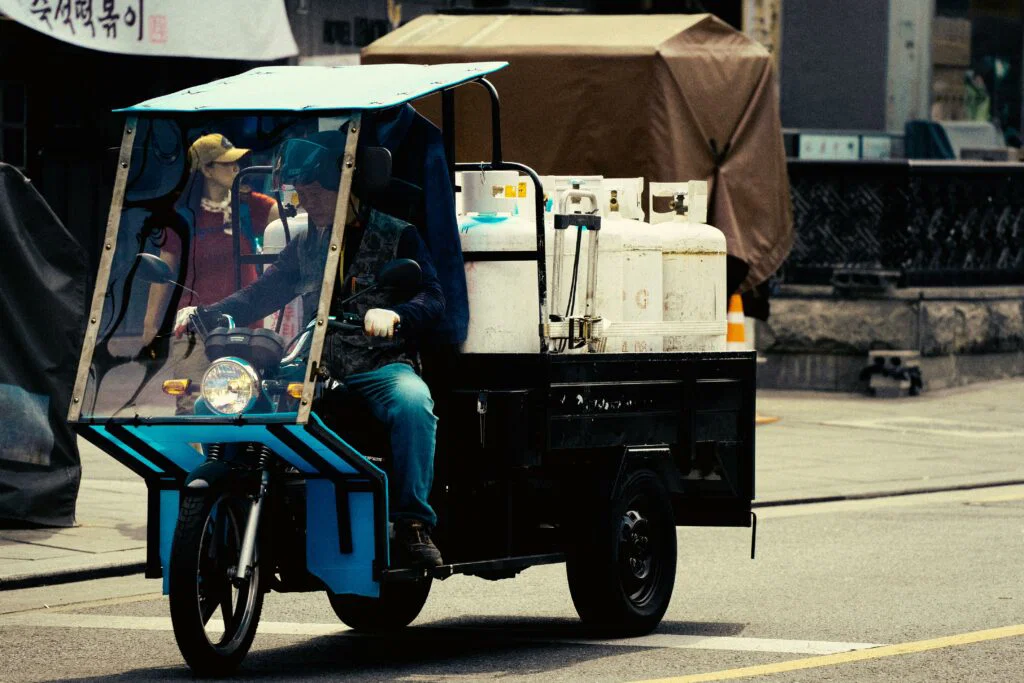
Three-wheel scooters for adults occupy a genuinely useful space in India’s electric mobility ecosystem, yet they are rarely discussed with the depth they deserve. Whether the need is cargo transport, passenger mobility, accessibility for older riders or those with limited mobility, or last-mile logistics for businesses, three-wheel electric vehicles are solving real problems at scale across Indian cities and towns. This guide covers what three-wheel electric scooters for adults look like in India in 2025, who they are for, what they cost, and how to choose the right configuration.
Why Adults Choose Three-Wheel Electric Scooters
The reasons are more varied than most people assume.
Stability is the primary driver for many buyers, particularly older adults or those with physical limitations that make balancing a two-wheeler difficult or unsafe. A three-wheel configuration provides a stable base at rest and at low speeds, removing the need for the rider to put a foot down at traffic stops.
Cargo capacity is the second major driver. Three-wheel electric vehicles can carry loads that would be impossible on a two-wheeler, making them indispensable for small businesses, last-mile delivery operators, street vendors, and agricultural supply chains.
Passenger mobility is the third use case, particularly for shared last-mile transport in Tier 2 and Tier 3 cities, where e-rickshaws have replaced a significant share of auto-rickshaw operations.
The Three-Wheel Electric Scooter Landscape in India
India’s three-wheel electric vehicle market is far more developed than the two-wheel premium segment in terms of volume. E-rickshaws have been running in Indian cities since before the Ola or Ather era of consumer scooters. The market spans a wide range from basic passenger e-rickshaws to sophisticated cargo loaders with hydraulic systems and payload capacities exceeding 1000 kg.
Passenger Three-Wheelers: E-Rickshaws and Shared Mobility
The classic e-rickshaw remains the workhorse of three-wheel electric mobility in India. Seating 3 to 5 passengers, running on 48V or 60V systems, and covering 80 to 120 km on a charge, these vehicles have fundamentally changed urban mobility in cities like Delhi, Lucknow, Patna, and across Eastern India.
For adults seeking personal rather than commercial use, passenger-configured three-wheelers offer a comfortable, stable ride for individuals who find two-wheelers impractical due to age, health, or load-carrying requirements.
Cargo Three-Wheelers: The Commercial Backbone
Cargo three-wheelers are the unsung heroes of India’s last-mile logistics infrastructure. From street food vendors to pharmacy delivery operators to warehouse distribution hubs, electric cargo three-wheelers are handling load transport that previously required diesel auto-loaders or light commercial vehicles at a fraction of the operating cost.
Ekotejas Three-Wheel Electric Vehicles: Built for Indian Operating Conditions
Ekotejas manufactures one of India’s most comprehensive ranges of electric three-wheelers, covering configurations from passenger e-rickshaws to heavy cargo vehicles. The full Ekotejas 3-Wheeler range includes models for every commercial and utility application.
The flagship in their cargo lineup is the RUGD 153, a heavy-duty electric cargo three-wheeler with specifications that speak directly to serious commercial requirements. The RUGD 153 runs a 1200W to 1500W DC Brushless motor on a 48V or 60V system with a 36-tube controller. Carrying capacity reaches 800 to 1000 kg with cargo dimensions of 55″ x 41″ or 58″ x 41″, depending on configuration. Range is 80 to 120 km per charge with a 4 to 5 hour charging time on a 220V 50Hz supply. Ground clearance is 210mm, gradeability is 18 to 20 degrees, and the curb weight runs 380 to 400 kg.
Additional fittings on the RUGD 153 include a hydraulic lift system, heavy-duty rear suspension, alloy wheels, and compatibility with both lead acid (4 or 5 batteries of 12V) and lithium-ion battery options. These are not entry-level specifications. This is a vehicle built for demanding daily commercial use.
For personal or senior adult mobility needs requiring a smaller, more manageable three-wheel electric vehicle, the Ekotejas 2-Wheeler lineup and lighter three-wheeler configurations within the range provide options at different scales and price points. The Axel Pro two-wheeler, for instance, offers step-through convenience with a 270mm ground clearance, easy-to-manage weight, and a 20L boot, which suits older adult riders who can manage a two-wheeler but want something more practical than a conventional scooter.
Three-Wheel Electric Scooter for Senior Adults: Accessibility and Independence
India’s growing senior population represents a genuine and underserved demand segment for three-wheel personal mobility vehicles. Traditional two-wheelers become increasingly difficult to manage past the age of 60 due to declining balance, slower reflexes, and reduced leg strength for holding the vehicle upright at stops. Three-wheel electric scooters address all of these concerns directly.
Features to prioritise for senior adult use: low step-over height for easy mounting, stable three-wheel chassis, speed-limited operation (maximum 25 kmph is often sufficient for personal errands), comfortable seating with back support, simple controls, and a vehicle light enough that the rider does not feel unsafe managing it alone.
Currently, India’s purpose-built personal three-wheel electric scooter for senior adults is a nascent segment. Most available options are commercial-grade three-wheelers adapted for personal use or imported mobility scooters at premium prices. The coming 2 to 3 years are expected to see domestic manufacturers address this gap as the demographic opportunity becomes undeniable.
Regulatory Framework for Three-Wheel Electric Vehicles in India
Commercial three-wheel electric vehicles in India fall under the L5 category and require full RTO registration, a valid commercial driving licence (where applicable), a fitness certificate, and insurance. E-rickshaws used for commercial passenger transport require a permit in addition to registration.
Personal-use three-wheel mobility scooters of low speed (under 25 kmph) may qualify for the same registration exemption as low-speed two-wheelers, though the regulatory treatment of this category varies by state and is worth verifying with the local RTO before purchase.
Cost of Ownership: Three-Wheel Electric vs Diesel Three-Wheeler
The per-kilometre fuel cost of an electric three-wheeler runs approximately Rs 0.30 to Rs 0.50, depending on the electricity tariff and battery efficiency. A comparable diesel auto-loader costs Rs 3.50 to Rs 5.00 per kilometre in fuel alone. Over 50,000 km of operation, which a commercial cargo vehicle covers in 2 to 3 years of daily use, this difference amounts to Rs 1.5 lakh to Rs 2.25 lakh in fuel savings alone. Add significantly lower service costs (no engine oil, no fuel injection maintenance, no diesel particulate filter) and the financial case for electric three-wheelers in commercial use is decisive.
FAQs
Prices range from Rs 1.2 lakh for basic passenger e-rickshaws to Rs 3.5 lakh and above for heavy cargo three-wheelers like the Ekotejas RUGD 153. Personal mobility three-wheelers for senior adults are an emerging segment with limited domestic options currently available.
Yes. A three-wheel configuration is inherently stable at rest and at low speeds without requiring the rider to balance the vehicle. This makes it significantly safer for older adults or those with limited mobility.
Entry-level cargo three-wheelers carry 200 to 400 kg. Mid-range models handle 400 to 700 kg. Heavy-duty vehicles like the Ekotejas RUGD 153 carry 800 to 1000 kg.
Commercial three-wheelers require a valid driving licence with the appropriate vehicle category endorsement. Low-speed personal three-wheel scooters below 25 kmph may be exempt, but this varies by state.
Most electric three-wheelers deliver 80 to 120 km per charge under normal load conditions. The Ekotejas RUGD 153 delivers 80 to 120 km depending on load and terrain.
Yes, when properly specced. The Ekotejas RUGD 153, for instance, offers 18 to 20 degree gradeability, which covers most Indian urban gradients, including those found in hill towns and industrial zones with ramp access.