
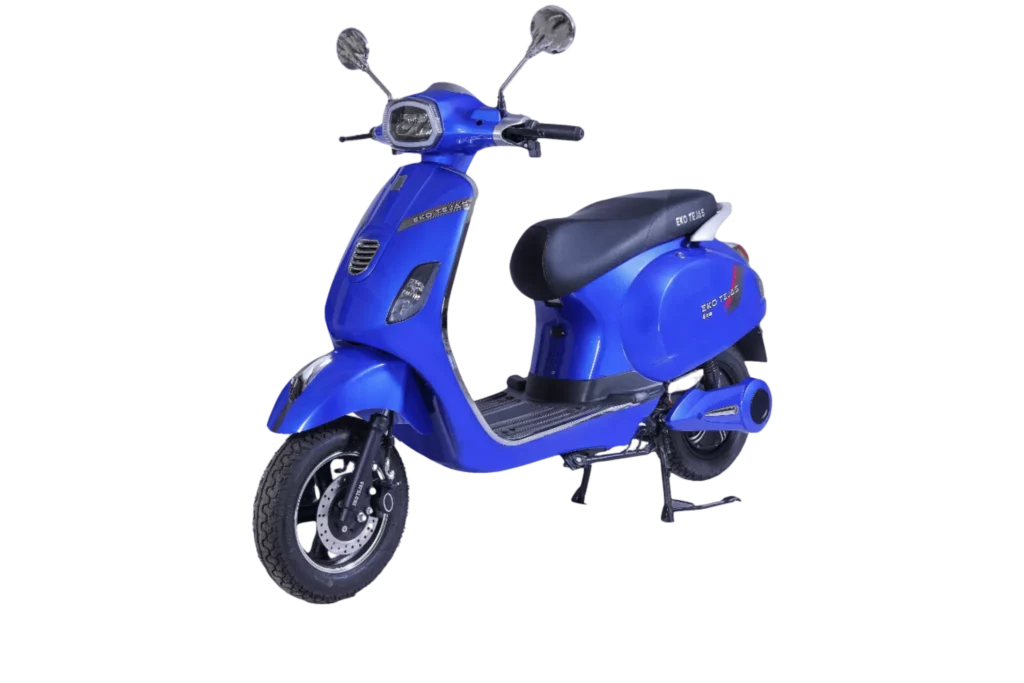
Finding a high-performance electric scooter in india requires looking past glowing digital marketing brochures to focus entirely on structural engineering and local thermodynamic resilience. As escalating petroleum prices squeeze household budgets across tier-one and tier-two cities, commuters increasingly seek out durable alternative drivetrains. By emphasizing robust chassis design and active battery safety systems, pioneering manufacturers like Ekotejas are defining the next generation of daily regional transit. For more information, explore the which electric scooter is best in india.
Evaluating Powertrains and Thermal Integrity on Indian Corridors
The Science of LFP Chemistry and Thermal Runaway Prevention
Operating an electric scooter in india demands a powertrain that can withstand ambient temperatures that frequently scale past forty-five degrees Celsius during northern summers. To actively prevent severe thermal degradation and maintain consistent energy density, premium battery enclosures must utilize advanced Lithium Iron Phosphate chemistry rather than fragile standard lithium-ion alternatives. In practice, this high-performance LFP molecular structure provides superior thermal thresholds and virtually eliminates the catastrophic risks associated with battery fires.
- Exceptional thermal threshold prevents physical degradation during high-temperature operations. For more information, explore the electric scooter under 40000.
- Extended structural battery life reaching up to three thousand continuous charge-discharge cycles.
- Highly stable non-combustible chemical formulation ensuring maximum safety during long overnight charging sessions.
- Significantly reduced environmental impact due to the complete exclusion of toxic cobalt materials.
Real-World Gradeability and Torque Performance Under Heavy Payloads
Navigating congested arterial roads and climbing steep flyovers requires instantaneous torque delivery that does not strain the vehicle’s electrical controllers. The specialized brushless direct current hub motors engineered into the Ekotejas Evxtro lineup are precision-calibrated to deliver immediate power under full double-rider payloads. Field use commonly shows that high gradeability ratings are vital for preventing rapid voltage drops when conquering twenty-degree incline slopes. Buyers researching which electric scooter is best in india should prioritize gradeability and torque specifications as key selection criteria.
Battery Chemistry Type | Maximum Thermal Limit | Average Lifecycle | Safety Index | Ekotejas Integration Details |
Standard Lithium-Ion | 55 Degrees Celsius | 800 Cycles | Moderate | Available in Custom Configurations |
Lithium Iron Phosphate (LFP) | 70 Degrees Celsius | 3000 Cycles | Excellent | Standard across Axle Pro and Prive |
Lead-Acid (VRLA) | 45 Degrees Celsius | 350 Cycles | High Stability | Offered for Budget Fleet Use |
A Financial Paradigm Shift: Operating Costs and Capital Recovery
Deconstructing the Real Cost Per Kilometer of Indian E-Scooters
The most compelling commercial argument for adopting modern electric propulsion is the dramatic reduction in daily operational outlays for the average commuter. While operating a standard internal combustion engine scooter averages approximately three point two rupees per kilometer, a high-efficiency electric alternative reduces this figure to a mere twenty-five paise. This massive cost differential enables daily riders to achieve full capital payback on their vehicle purchase in under twelve months. Commuters comparing the electric scooter price in delhi will find that lower running costs accelerate this payback period significantly.
Operating Cost Parameter | Conventional Petrol Scooter | Ekotejas Electric Scooter | Net Savings Over Three Years |
Fuel/Electricity Cost (Per km) | Rupees 3.20 (Petrol) | Rupees 0.25 (Power) | Rupees 81,100 saved |
Scheduled Maintenance | Rupees 18,000 (Oil) | Rupees 3,500 (Brakes) | Rupees 14,500 saved |
Major Engine/Battery Overhauls | Rupees 12,000 (Pistons) | Rupees 0 (Under Warranty) | Rupees 12,000 saved |
Total Cumulative Cost | Rupees 1,17,700 | Rupees 10,100 | Rupees 1,07,600 saved |
Understanding TCO and Longevity Factors Over Five Years
Analyzing the long-term total cost of ownership requires looking past the purchase price to examine replacement component availability and battery warranty terms. Investing in a brand with an established domestic manufacturing footprint guarantees that critical electrical components remain affordable well beyond the initial ownership cycle. In practice, long-term savings are only realized when the core chassis, suspension system, and electrical controllers remain operational for at least five years. Evaluating the true electric scooter on road price — inclusive of registration, insurance, and accessories — is essential for accurate five-year TCO calculations.
Mechanical and Structural Architecture for Damaged Infrastructure
Chassis Integrity and Dual-Suspension Tuning in Monsoonal Climates
Subcontinental road networks present a relentless onslaught of deep monsoon potholes, high speed breakers, and unpaved secondary lanes. To withstand these harsh physical environments, a reliable vehicle must be built with a reinforced high-tensile steel frame and robust suspension dampening. Field use commonly shows that premium dual telescopic suspension layouts protect the under-seat battery pack from severe impact damage while maintaining optimal rider comfort.
- Reinforced dual-cradle steel frame designed specifically to withstand harsh physical vertical impacts.
- Heavy-duty telescopic front suspension coupled with rear hydraulic spring-loaded shock absorbers.
- Impressive ground clearance exceeding one hundred and forty millimeters to safely clear urban speed breakers.
- Optimized structural center of gravity that delivers superior physical handling on wet monsoonal roads.
The Strategic Buying Framework for Indian Commuters
Differentiating Low-Speed Registration-Free Transit from High-Speed Cruising
Navigating the diverse electric vehicle market requires understanding the distinct legal categories established by regional transport authorities. Low-speed electric scooters with top speeds capped at twenty-five kilometers per hour require no registration or formal licensing, making them perfect for short domestic errands. Meanwhile, high-speed performance models like the Ekotejas Axle Pro provide the elevated speeds and extended range required for longer daily corporate commutes. For more information, explore the electric scooter on road price.
- Carefully audit your typical daily distance to select the correct battery chemistry and capacity.
- Assess whether your commute requires high-speed performance or low-speed, license-free convenience.
- Verify the proximity of local authorized dealer workshops to guarantee reliable after-sales technical support.
- Research state-level EV policies and regional subsidies to maximize your immediate financial savings.
Step-by-Step Methodology for Assessing Commercial Build Integrity
Before executing your purchase, you must systematically evaluate the structural build quality and material grade of your selected vehicle. Checking the consistency of the body panel gaps and executing a rigorous brake response test will quickly reveal any underlying engineering compromises. This hands-on evaluation method ensures you invest in a robust high range electric scooter that comfortably withstands the test of time.
No, electric scooters with a maximum speed of twenty-five kilometers per hour do not require RTO registration or a driving license.
Most Ekotejas models can achieve a full charge within three to five hours using standard domestic power outlets.
The PM E-DRIVE initiative provides direct financial incentives that lower the upfront ex-showroom cost of certified electric two-wheelers.
Vehicles equipped with IP67-rated hub motors and water-resistant battery enclosures can safely handle shallow water logged streets without short-circuiting.