
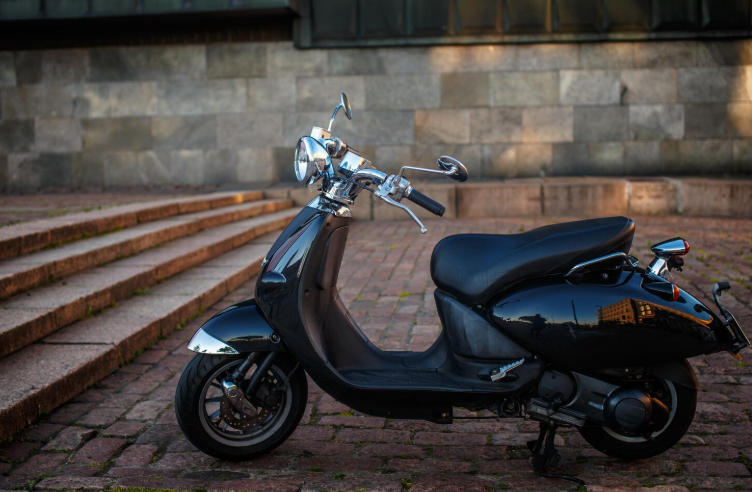
Electric scooter insurance in India ranges from ₹457 annually for basic third-party coverage to ₹5,000+ for comprehensive plans, but the final cost depends on vehicle value, location, deductible choices, and add-ons. Unlike petrol scooters, electric models carry higher repair costs due to expensive battery components, making insurance selection a critical financial decision.
Understanding the Two Insurance Tiers: Third-Party vs. Comprehensive Coverage
Third-party electric bike insurance is mandatory under Indian law. For new e-bikes, third-party insurance premium rates start from ₹457 for 1-year and ₹2,466 for 5-year plans. It addresses liabilities to others in accidents but does not cover losses to your own vehicle.
Comprehensive coverage protects your own scooter and battery, covering both third-party liabilities and your vehicle’s damage. Insurance for electric scooters in India typically ranges from ₹500 to ₹5,000 per year, with basic coverage usually including own damage and third-party premiums subject to an 18% GST. The gap between these tiers reflects the difference between legal compliance and actual financial protection.
Third-Party Coverage: The Legal Minimum
Failure to insure your electric two wheeler leads to penalties of up to Rs. 4,000 or even imprisonment. Third-party policies protect only the other party, not your scooter. This tier suits riders with older, lower-value models. The premium calculation follows IRDAI-fixed rates based on kilowatt capacity.
Choose third-party only if your scooter’s replacement cost is under ₹30,000 or if you have separate personal accident insurance.
Comprehensive Coverage: Full Vehicle and Battery Protection
A standard comprehensive policy treats the battery as part of the vehicle for total-loss and theft, but deducts depreciation during ordinary repair claims. On an electric scooter, the battery pack is the most expensive part at 35 to 45 percent of the on-road price, and most likely to degrade or get damaged by water and electrical faults. Comprehensive plans cover accidents, theft, fire, and natural disasters. You can get up to 50% discount on renewal if you do not file claims for five consecutive years.
Cost Drivers: Vehicle Value, Age, Location, and Deductible Choices
The electric scooter insurance premium varies depending on the make and model of the bike. Expensive e-bikes mean higher financial liability for the insurer, hence higher insurance costs for premium vehicles. Insurance premium cost is calculated based on brand, make and model, battery capacity, location, mileage, and type of policy. Understanding each factor allows you to predict your premium range before requesting quotes.
IDV (Insured Declared Value) and Vehicle Depreciation Impact
IDV is the current market value of your scooter and the maximum the insurer will pay if it is stolen or written off. A higher IDV means higher payout but higher premium. Lowballing your IDV to save premium means a smaller cheque if the scooter is stolen. As vehicles depreciate, the IDV decreases accordingly. The older the bike, the lower the cost. Therefore, premium decreases for older EV bikes while new bikes attract higher premiums.
If your scooter cost ₹80,000 new and is now 2 years old, its market value may be ₹55,000-₹60,000. Set your IDV at the realistic resale value to prevent overpaying for coverage you cannot claim.
Location-Based Premium Variation and Deductible Strategy
The location of the insured electric scooter also affects its premium. Regions prone to natural disasters or hazardous activities incur higher premiums. Urban metros with high theft rates command higher premiums than tier-2 cities. There are two types of deductibles: voluntary and compulsory. If you opt for a voluntary deductible, the premium reduces, but you must pay more during claims.
A ₹500 compulsory deductible is standard. Increasing it to ₹1,000 or ₹2,000 voluntarily can reduce your annual premium by 10-15%. Choose higher deductibles only if you can afford out-of-pocket repairs and expect fewer than one claim per 3-4 years.
Add-Ons That Reshape Your True Insurance Cost
The base premium is only the starting point. Add-ons include zero depreciation cover for complete compensation irrespective of depreciation costs, NCB protection that preserves accumulated No Claim Bonus even after claims, theft cover providing complete claim amount, and 24*7 roadside assistance. The most valuable add-ons for electric scooter owners are:
- Zero depreciation: Pays full replacement cost without deducting wear; essential for newer scooters
- NCB protection: Preserves no-claim bonus after filing a claim; typically costs 5-8% extra
- RUGD 153 Battery protection or EV Shield: Covers battery degradation, water ingress, and electrical faults; critical given battery cost represents 35-45% of scooter value
- Roadside assistance: 24/7 towing and emergency support; costs ₹500-₹1,000 annually
- Personal accident cover: Covers rider injury or death; ₹300-₹500 annually
Zero Depreciation vs. Standard Depreciation
Zero depreciation waives deduction so you get the full part cost. It matters most on newer vehicles and expensive plastic and electronic parts. On a standard policy, plastic fairing damage results in 20-30% depreciation deduction. With zero-dep, you receive 100% of the cost.
Zero-dep adds ₹800-₹1,500 to your annual premium. For new scooters under 2 years old, zero-dep is financially justified. For scooters over 4 years old, standard depreciation is acceptable.
Battery-Specific Coverage: Why It Matters
The battery pack is the single most expensive part on an electric scooter and most likely to degrade or get damaged by water and electrical faults. A battery replacement bill can rival the resale value of the whole vehicle. A general electric scooter insurance policy does not cover battery replacement; however, it is covered under the EV Shield add-on cover.
Battery protection costs ₹1,200-₹2,000 annually while battery replacement costs ₹25,000-₹40,000. If your scooter is 3+ years old or used in high-humidity areas, battery protection is essential. For new scooters with manufacturer warranty, defer this add-on until year 3.
State-Wise Premium Variation and Subsidy Impact on Net Cost
State | Typical Third-Party Premium | State Subsidy | Road Tax Waiver | Net Annual Savings | Best For |
Karnataka | ₹800-₹1,000 | ₹10,000 | Full waiver | ₹12,000-₹18,000 | New buyers; highest adoption |
Tamil Nadu | ₹900-₹1,100 | None | 3-year waiver | ₹8,000-₹12,000 | Long-term ownership |
Maharashtra | ₹850-₹1,050 | ₹5,000 | Free registration | ₹6,000-₹8,000 | Urban commuters |
Uttar Pradesh | ₹1,100-₹1,400 | Minimal | None | ₹0-₹2,000 | Avoid premium models |
Delhi | ₹950-₹1,150 | None | None | ₹0 | Budget-conscious buyers |
If you live in Karnataka or Tamil Nadu, prioritize comprehensive coverage because subsidies offset the cost. In UP, third-party coverage may be the only economically viable option unless you own a high-value scooter with WHEELERS attachments.
RTO Processing Delays and Hidden Costs
In fast-processing states, you can insure and ride within 1 week. In slow-processing states, expect 3-4 weeks. If you need the scooter for daily commuting, factor in alternative transport costs during this gap. Consider WHEELERS or AXEL PRO models in states with faster RTO processing.
Frequently Asked Questions
Third-party insurance premium rates start from ₹457 for 1-year plans, which is the legal minimum, though comprehensive coverage typically ranges from ₹500-₹5,000 annually depending on vehicle value and add-ons.
The cost of third-party insurance for electric scooters is much lower compared to petrol-powered bikes.
A general electric scooter insurance policy does not cover battery replacement; however, it is covered under the EV Shield add-on cover, which must be purchased separately.
The NCB is a discount on the renewal for not filing claims during the previous policy period.
Insurance premium cost is calculated based on brand, make and model, battery capacity, location, mileage, and type of policy, with vehicle value and location typically having the largest impact on final cost.